The Ventilation Problem Nobody Talks About in Gravel Cycling
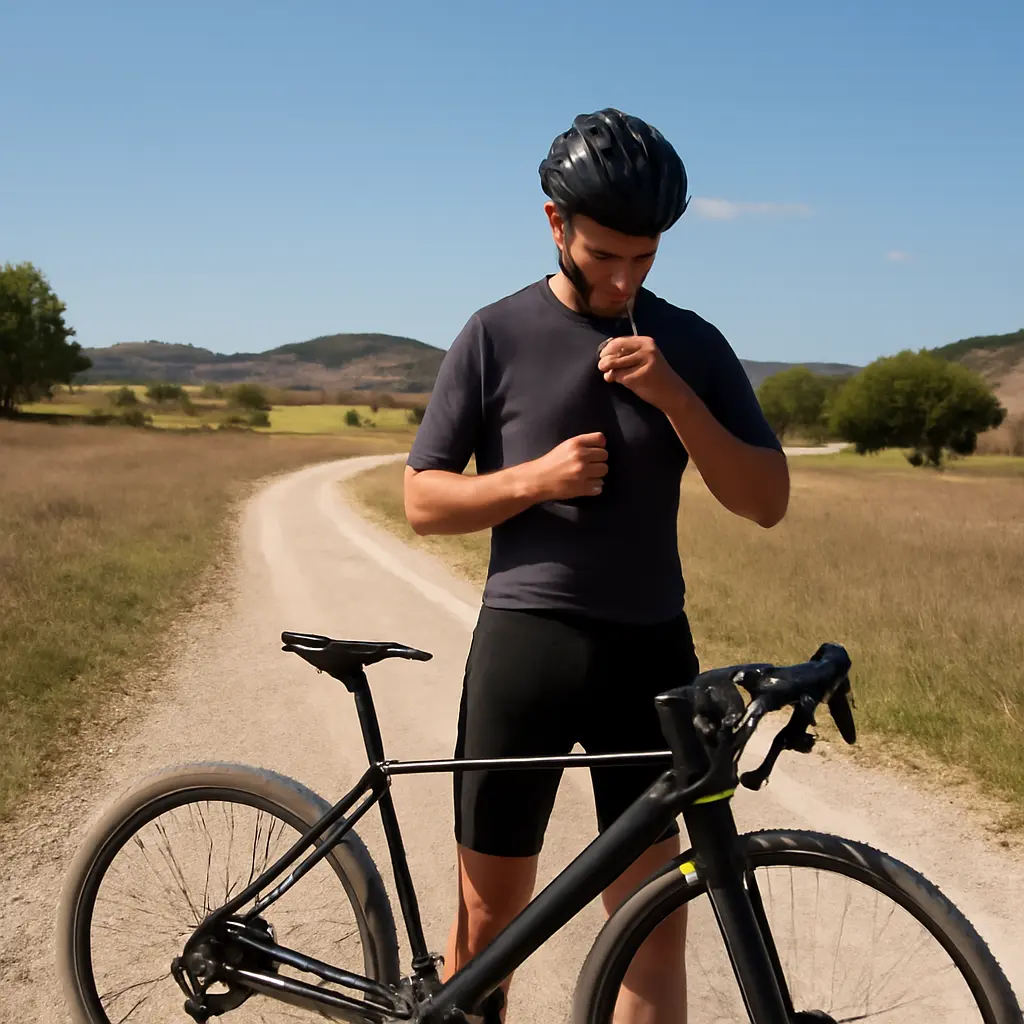
Ventilation in gravel cycling is the exchange of air through a rider’s clothing and around the body, helping manage heat and sweat during long rides. It is easy to focus on tire pressure, gearing, and hydration, but poor airflow can make a gravel kit feel clammy and hot—especially during slow climbs, humid weather, or stop-and-go riding. Research on exercise thermoregulation shows that sweat cools the body only when it can evaporate; clothing that traps moisture can undermine that process. This article explains how clothing ventilation works, which design features matter, how to balance airflow with weather protection, and how to test a setup on real rides.
How clothing ventilation affects gravel cycling comfort
Clothing ventilation is the movement of air through fabric, openings, and the space between a garment and the skin. It is not the same as breathability: breathability generally describes water-vapor transfer through a material, while ventilation describes air exchange. The distinction matters because a fabric can transmit some vapor yet still feel stifling if a close-fitting jersey has few openings and little airflow.
The American College of Sports Medicine’s guidance on exertional heat illness emphasizes that exercise produces metabolic heat and that evaporation is a major cooling mechanism when conditions allow it. Gravel riders face a particular mix of conditions: sustained effort, variable speed, exposed climbs, dusty descents, and changing weather. At low speed on a steep climb, less air passes over the body; on a fast descent, airflow can rapidly chill damp clothing. The same garment can therefore feel comfortable in one section and uncomfortable a few minutes later.
A useful way to think about ventilation is as a system rather than a fabric label. Airflow depends on garment construction, fit, riding position, wind, speed, humidity, and how much sweat the rider produces. No single “highly breathable” feature guarantees comfort across every gravel ride.
Ventilation, breathability, and evaporation
Ventilation moves warm, humid air away from the skin and allows drier air to replace it. Breathability refers to a material’s ability to pass water vapor, while evaporation is the phase change that removes heat as liquid sweat becomes vapor. These processes work together, but they are not interchangeable: a fabric may pass vapor reasonably well while a tight outer layer restricts air exchange, and high humidity can slow evaporation even when ventilation is good.
The National Weather Service’s heat-index guidance illustrates why humidity matters: as moisture in the air increases, sweat evaporates less efficiently, making heat stress more likely. For cyclists, this means a mesh panel can improve airflow but cannot fully overcome humid conditions, excessive clothing layers, or an effort level that produces more heat than the body can dissipate.
Why gravel riding changes the airflow equation
Gravel riding alternates between different airflow environments. A rider may climb slowly with limited cooling, descend quickly into wind, then stop at a junction or repair a puncture. Dust and brush can also make fully open clothing impractical, while a lightweight wind shell can protect against a cold descent but trap heat during a climb.
The practical implication is to choose adjustable ventilation. Zippers, removable layers, vents that can be opened while riding, and pockets that do not obstruct airflow let a rider respond to changing effort and weather. A good setup is not necessarily the one with the most open fabric; it is the one that lets heat and moisture escape without sacrificing needed protection.
How garment design creates ventilation for gravel riders
Garment ventilation is created through fabric selection, panel placement, openings, and fit. Apparel manufacturers commonly combine lightweight or mesh fabrics in high-sweat areas with more durable material elsewhere. The design goal is to move heat and moisture while preserving coverage, pocket stability, and resistance to abrasion.
The American Society for Testing and Materials (ASTM) publishes test methods for textile properties, including water-vapor transmission and air permeability. These measurements can help compare materials under specified laboratory conditions, but they do not directly predict how a jersey will feel on a gravel ride. Real-world fit, layering, wind, and sweat rate all influence performance.
Mesh panels and zoned fabrics
Mesh panels are sections of open-knit fabric intended to increase air exchange. They are often placed across the back, sides, or underarms, where sweat and heat can accumulate. Zoned construction uses different fabrics in different parts of a garment, balancing airflow with coverage and durability.
Mesh is not automatically better everywhere. A very open panel may expose skin to sun, wind, or trail debris, and a loose mesh layer can rub under pack straps. Riders should consider where the panel sits in their riding posture and whether a hydration pack or vest will cover it. A panel that is blocked by equipment may provide little practical ventilation.
Zippers, vents, and adjustable openings
A front zipper is a simple, adjustable vent: opening it increases airflow during hard efforts, while closing it helps retain warmth on descents. Some jackets add underarm zips, rear vents, or two-way zippers to release heat without exposing the torso as much. These features are particularly useful in changeable conditions, when a rider may need both wind protection and rapid heat release.
Vent placement affects usability. A zipper should be reachable while riding and should not interfere with a neck gaiter, pack strap, or jersey pocket. On rough surfaces, a partially open zipper can flap or let dust in, so the best configuration is one a rider can adjust securely and comfortably.
Fit, pockets, and backpacks
Fit determines how air moves between clothing and skin. A close fit can reduce fabric movement and chafing, but an overly tight garment may limit air circulation and compress pockets. A very loose garment may billow at speed or hold damp fabric against the body. The useful target is a fit that stays in place while allowing full breathing, shoulder movement, and access to essentials.
Backpacks and loaded pockets create another ventilation layer. A pack covers part of the back and can trap heat and moisture; a tightly packed jersey pocket can also press fabric against the skin. For hot rides, consider whether a frame bag or saddle bag can carry some load, leaving the torso less covered. This is a comfort choice, not a universal rule: carrying water and emergency equipment safely takes priority.
How riders balance airflow with weather protection
Ventilation needs change with temperature, humidity, wind, sunlight, and effort. A thin jersey that feels ideal while climbing may become cold when wet during a fast descent. Conversely, a windproof shell that blocks cooling airflow may become uncomfortable during a strenuous climb. Layering works best when each layer has a clear purpose and can be adjusted as conditions change.
The Centers for Disease Control and Prevention advises people exercising in heat to pace activity, take breaks, and pay attention to signs of heat-related illness. Clothing is only one part of heat management: acclimatization, hydration, route choice, and effort also matter. Ventilation can improve comfort, but it is not a substitute for reducing intensity or stopping when symptoms warrant it.
Hot and humid rides
In hot, humid conditions, evaporation is constrained by moisture already in the air. Lightweight fabrics, open vents, sun protection, and a pace suited to the conditions can help, but no garment can make oppressive humidity harmless. The CDC identifies heavy sweating, weakness, dizziness, nausea, and headache among possible signs of heat exhaustion; confusion, fainting, or very high body temperature require urgent emergency response.
Choose clothing that exposes enough surface area for air exchange while still protecting against sun and abrasive vegetation. A pale, lightweight long-sleeve layer can provide coverage without relying on bare skin, but its comfort depends on fabric, fit, and airflow. Test the combination of jersey, sun sleeves, and pack together rather than evaluating each piece in isolation.
Cool, windy, and changeable conditions
In cool or windy weather, ventilation must be moderated to avoid excessive chilling, especially when a rider is wet with sweat. A breathable base layer and a wind-resistant outer layer can provide a useful balance if the shell has openings or can be removed quickly. Packing a compact layer is often more adaptable than wearing a heavy, fully sealed garment throughout the ride.
A practical strategy is to begin slightly cool rather than already overheated, then add or remove layers before a long descent or exposed section. The exact choice depends on local conditions and individual tolerance. Riders should also account for rain: water-resistant materials may reduce wind and rain penetration but can restrict vapor transfer, so adjustable openings become more valuable as effort rises.
How to test a gravel-cycling ventilation setup
A ventilation setup should be tested in the conditions and riding posture in which it will be used. Manufacturer descriptions such as “breathable” or “cooling” are not standardized measures of on-bike comfort. A simple field test can reveal whether a garment dries quickly, stays comfortable under a pack, and allows effective adjustment during changes in effort.
Use a repeatable ride check
On a familiar route, note temperature, humidity if available, wind, clothing layers, pack use, and how the garment feels during a climb, a steady section, and a descent. Record whether sweat pools, fabric clings, or a vent is difficult to reach. Repeat the test with one clothing change at a time so the result is interpretable.
- Check for hot spots at the back, underarms, chest, and waist.
- Notice whether fabric dries or remains wet after effort eases.
- Test zippers and vents while maintaining safe bike control.
- Assess whether pack straps or pocket contents block airflow.
- Compare comfort on climbs and descents, not just at the start.
Interpret the signals safely
Damp clothing alone does not diagnose overheating: sweat production varies widely, and a wet jersey may simply reflect hard work. More concerning signs include unusual weakness, dizziness, nausea, headache, confusion, or loss of coordination. Stop, cool down, and seek appropriate help when symptoms suggest heat illness; do not treat ventilation changes as a reason to continue riding through warning signs.
A rider can also use a simple comparison chart to track conditions and comfort. For example, plot ride temperature on the horizontal axis and a comfort rating from one to five on the vertical axis, using separate lines for a jersey alone and a jersey-plus-pack setup. Such a chart is not a medical measure, but it can expose patterns and help refine kit choices.
Conclusion: ventilation is part of gravel-bike performance
Clothing ventilation is the interaction of airflow, vapor transfer, evaporation, garment design, fit, and riding conditions. Mesh panels and adjustable vents can help, but their value depends on placement and whether a pack or other layer blocks them. Gravel’s shifts between slow climbs, exposed descents, and changing weather make adaptable clothing more useful than a single fixed idea of “maximum breathability.”
Treat ventilation as part of a broader comfort and safety system: select layers for the forecast, adjust effort in heat, test clothing on representative rides, and take symptoms seriously. For further guidance, consult public-health resources on heat illness and sports-medicine advice on exercising in hot conditions, then use a ride log to learn what works for your route and body.
Sources: American College of Sports Medicine, Exercise and Fluid Replacement, https://journals.lww.com/acsm-msse/fulltext/2007/02000/exercise_and_fluid_replacement.22.aspx; National Weather Service, Heat Index, https://www.weather.gov/safety/heat-index; ASTM International, ASTM D737 Standard Test Method for Air Permeability of Textile Fabrics, https://www.astm.org/d0737-18.html; ASTM International, ASTM E96/E96M Standard Test Methods for Water Vapor Transmission of Materials, https://www.astm.org/e0096_e0096m-22.html; Centers for Disease Control and Prevention, Heat and Athletes, https://www.cdc.gov/heat-health/about/athletes.html; Centers for Disease Control and Prevention, Heat-related Illnesses, https://www.cdc.gov/heat-health/about/illnesses.html.
Related Post
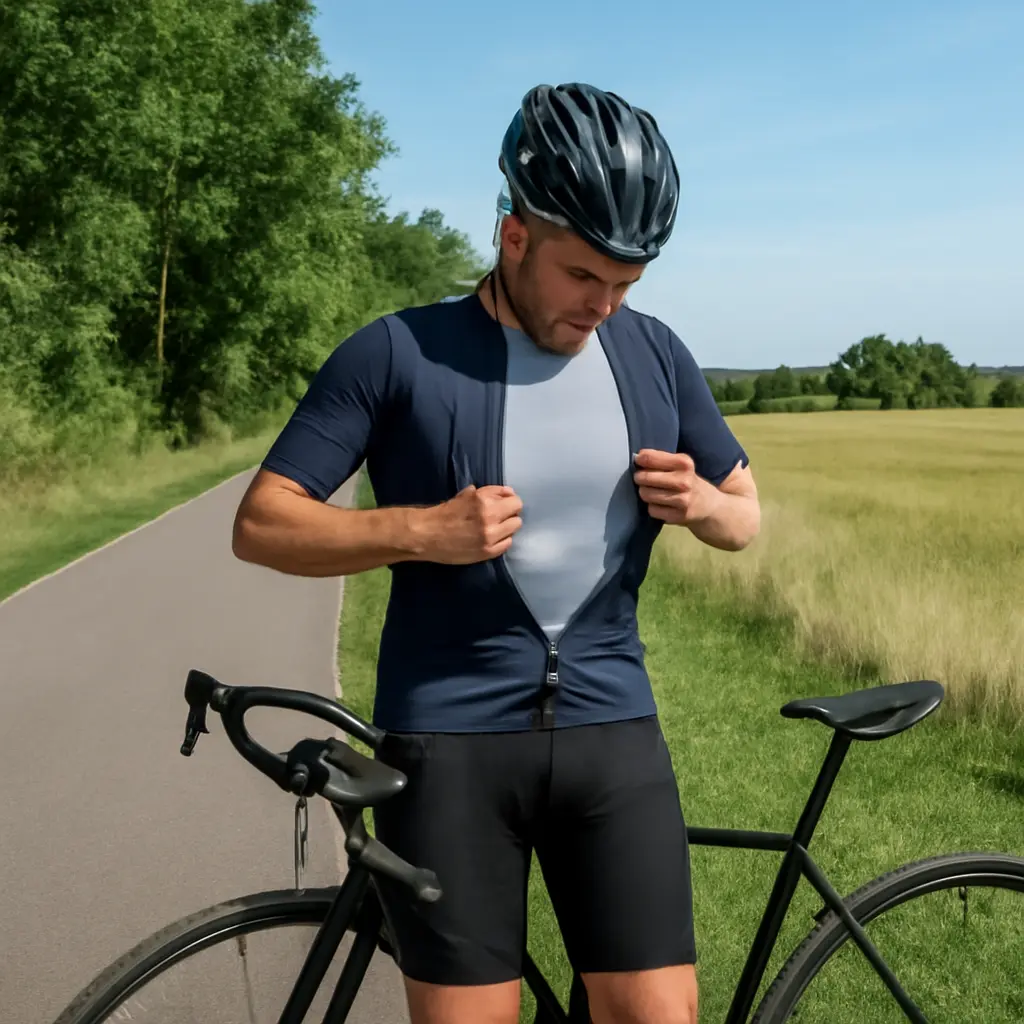
Base Layers and Moisture Management for Serious Riders
A cycling base layer is the garment worn next to the skin to move sweat [...]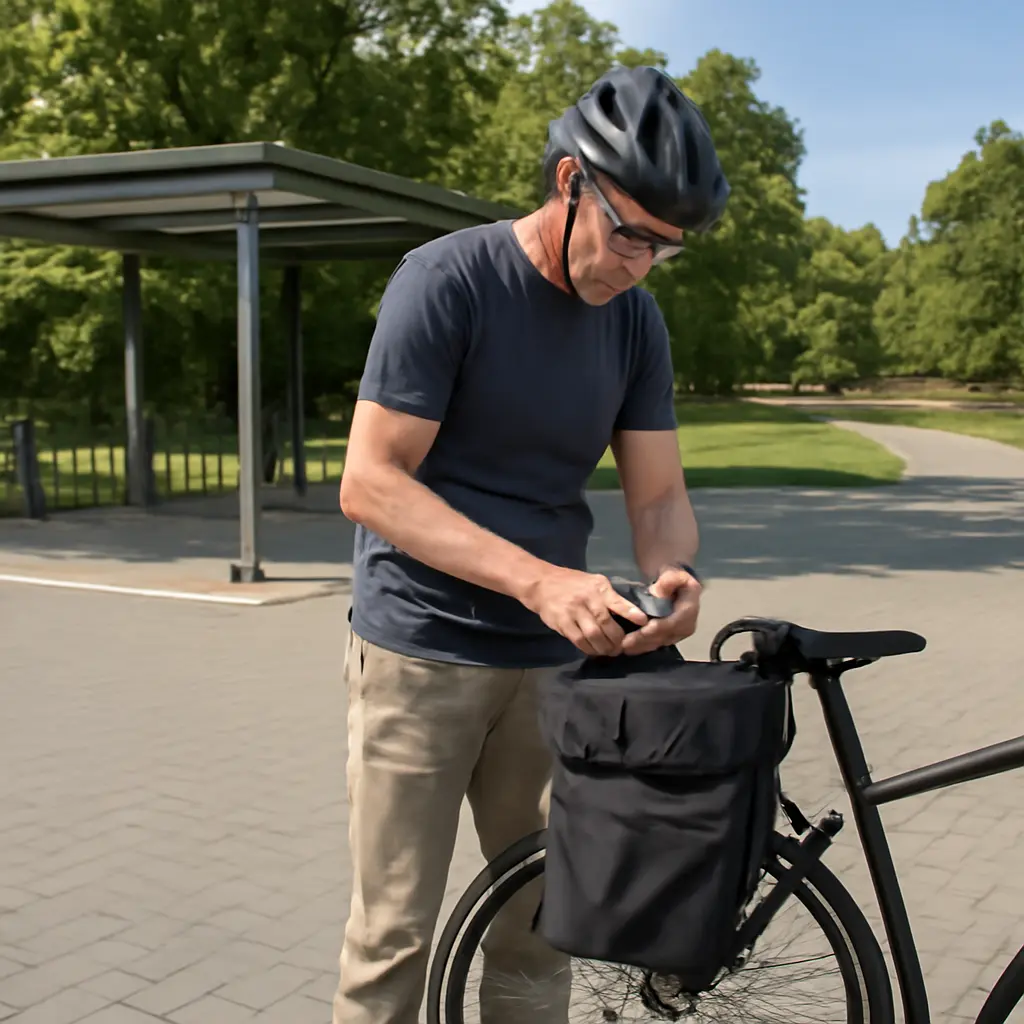
Common Bike Bag Mistakes That Cost You Thousands in Repairs
A bike bag is luggage mounted to a bicycle or carried by its rider; a [...]