Where Pro Cyclists Splurge First When Building Their Wardrobe
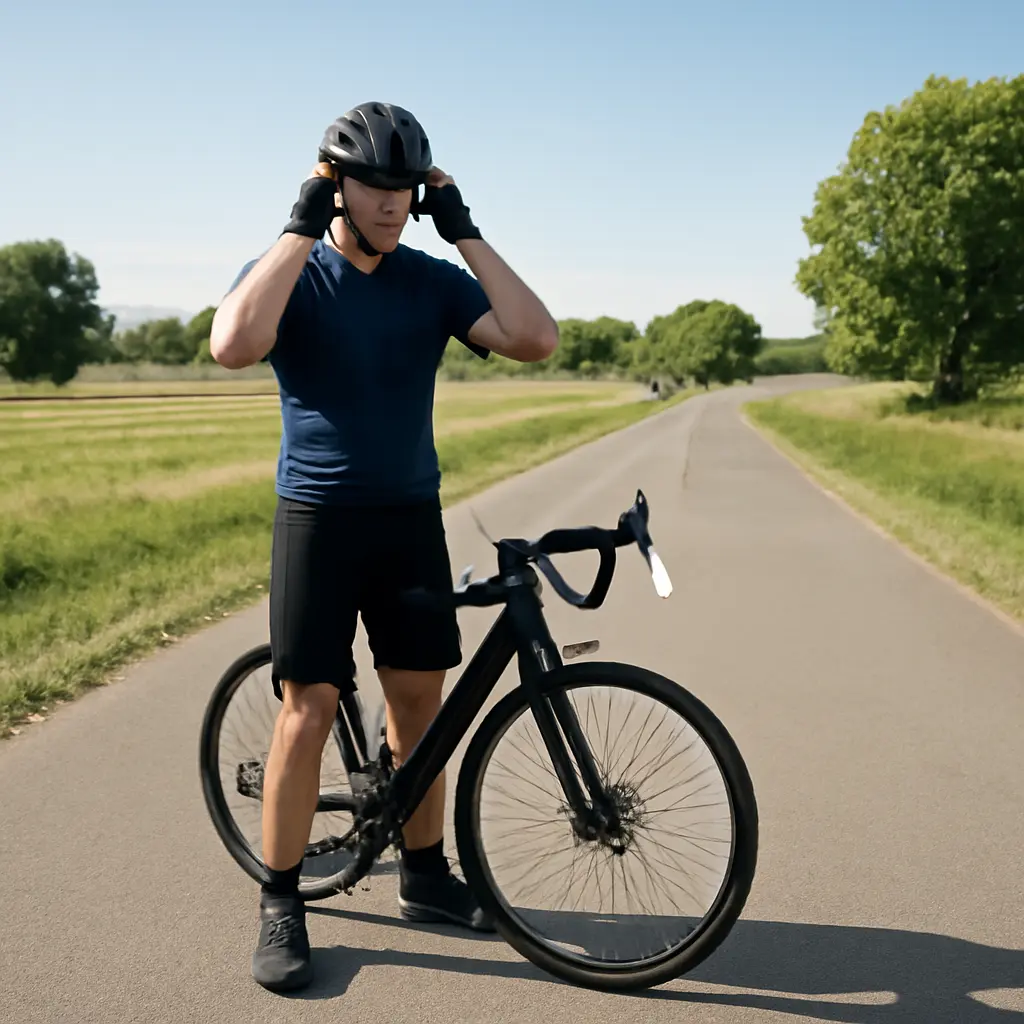
When professional cyclists build a wardrobe, they tend to prioritize the pieces that most directly affect comfort, safety, and performance: a well-fitting helmet, quality cycling shoes, and bib shorts with a dependable chamois. “Splurging first” does not mean buying the most expensive item in every category; it means investing early in equipment that touches the body, carries safety consequences, or is difficult to make comfortable through cheaper upgrades. The right order depends on fit, riding conditions, and whether the cyclist races or rides recreationally, but research and professional-team practices point to fit and function ahead of fashion.
Prioritize fit and function in a pro cyclist’s wardrobe
A cycling wardrobe is the clothing and wearable equipment used to meet the demands of riding, including helmets, eyewear, jerseys, bib shorts, shoes, and weather layers. There is no universal professional rule that ranks these purchases, and teams often supply race kit. Still, the logic behind a sensible first investment is consistent: prioritize protection, contact-point comfort, and a secure fit before buying extra colors or specialized apparel.
The International Cycling Union (UCI) regulates equipment used in its events, including helmet requirements, while professional teams and apparel makers emphasize fit, aerodynamics, and materials suited to race conditions. For everyday riders building a personal wardrobe, the same principles apply, with an important caveat: price alone does not guarantee a better fit or greater safety. Try items on, check compatibility, and choose for the riding you actually do.
Helmet: the first investment in protection
A cycling helmet is protective headgear designed to reduce the risk of head injury in a crash. It is a practical first purchase because it serves a safety function on every ride. The U.S. Consumer Product Safety Commission’s mandatory bicycle-helmet standard sets performance requirements for helmets sold for cycling in the United States. Buyers should look for a helmet that meets applicable standards, sits level, and stays securely in place when adjusted.
Professional racers may choose lightweight, ventilated, or aerodynamic models according to the event, but recreational riders should not pay extra for race features they do not need. Fit, certification, comfort, and condition matter more than a premium label. Replace a helmet after a significant impact and follow the manufacturer’s care and replacement guidance; damage can be difficult to see from the outside.
Bib shorts: the comfort upgrade riders notice most
Bib shorts are padded cycling shorts held up by shoulder straps. Their built-in chamois, the padded insert that reduces friction and pressure at the saddle, makes them one of the most personal and consequential wardrobe purchases. A good pair should fit close to the body without restricting movement, bunching, or creating uncomfortable seams.
There is no single chamois shape or thickness that suits every rider: saddle shape, riding position, ride duration, and individual anatomy all matter. That is why experienced cyclists often test different cuts rather than assuming the most expensive shorts will work best. For longer rides, a stable fit and appropriate padding can be more valuable than extra features or a large collection of jerseys.
Cycling shoes and cleats: invest when the fit is right
Cycling shoes provide a firm platform for pedaling and may attach to clipless pedals through cleats. A secure, comfortable shoe can help riders maintain control and transfer effort consistently, but a stiff sole or race-oriented closure system is not automatically an upgrade for everyone. Shoe width, arch shape, closure adjustment, and cleat position should be considered together.
For someone new to cycling, it may be sensible to start with compatible pedals and shoes that are comfortable to walk in, then move to specialized race shoes if riding demands it. Professionals often use highly specific shoe-and-cleat setups, but those choices reflect their training, bike fit, and competition needs. A professional-looking setup is not a substitute for a correct fit.
Choose apparel that matches the ride
Once safety and key contact points are covered, the next wardrobe investments are garments that help manage temperature, weather, and visibility. Jerseys and outer layers are useful, but their value depends on climate and ride type. A rider in a mild region may need fewer technical layers than someone who trains through cold rain or changing mountain conditions.
Jerseys and base layers: useful, but rarely the first splurge
A cycling jersey is a close-fitting top, usually made from moisture-managing fabric and designed with rear pockets for carrying small items. A base layer is worn beneath it to help manage sweat and temperature. These garments can improve comfort, but a rider can often begin with a suitable existing athletic top before investing in a full set of premium jerseys.
Professional race jerseys are shaped for riding posture and may use fabrics or panel construction designed for aerodynamics. For general riding, practical features such as a comfortable neckline, usable pockets, and a fit that does not flap in the wind are more important than a team logo. A small, versatile selection is usually more useful than buying multiple designs before learning what works.
Weather layers: spend according to local conditions
Weather layers include wind vests, rain jackets, arm warmers, leg warmers, and thermal garments. They allow riders to adapt to changes in temperature and exposure without replacing an entire outfit. A packable wind or rain layer can be especially useful when a ride begins in cool conditions or crosses exposed terrain.
The best first layer depends on the local climate and the season. Riders who regularly face cold or wet weather may reasonably prioritize a quality jacket before buying additional jerseys. In warmer conditions, sun protection and breathable fabrics may matter more. Check the garment’s intended use and ventilation: a waterproof layer that traps excessive heat may be uncomfortable during hard efforts.
Eyewear and gloves: practical supporting purchases
Cycling eyewear helps shield the eyes from wind, debris, and bright light, while gloves can improve grip and provide some cushioning. Both can be valuable, but neither needs to be a luxury purchase to be useful. Riders should select eyewear that stays secure and offers appropriate UV protection, and gloves that fit without restricting hand movement.
These accessories become more important in particular conditions: changing light may favor interchangeable lenses, while long rides on rough roads may make glove fit and palm construction more noticeable. As with other wardrobe choices, start with the conditions and discomforts the rider actually experiences.
Build a wardrobe in stages, not by price tag
A staged approach limits costly guesswork. Begin with a properly fitted, standards-compliant helmet and comfortable riding clothing; then identify the equipment that solves a real problem, such as saddle discomfort, cold-weather exposure, or shoe fit. Professional cyclists may have sponsored kit and technical support, so their wardrobes are not a direct shopping list for individual riders.
- Prioritize a certified helmet that fits securely.
- Choose bib shorts based on comfort and the length of typical rides.
- Buy shoes and cleats only after checking fit and pedal compatibility.
- Add weather layers suited to local conditions.
- Fill out jerseys, eyewear, and gloves according to practical need.
Cycling apparel also has a sustainability dimension. Buying fewer, more versatile items and caring for technical fabrics according to their labels can extend their useful life. Riders should inspect garments and closures periodically, especially after crashes or heavy use, and replace worn items when their function or safety is compromised.
Conclusion: spend first where fit, safety, and comfort matter
The strongest first investments in a cycling wardrobe are usually a properly fitted helmet, comfortable bib shorts, and shoes suited to the rider’s feet and pedals. Jerseys and weather layers follow according to climate, while eyewear and gloves fill specific comfort and protection needs. The central lesson is that a pro-inspired wardrobe is built around function, not prestige: choose certified protection, test fit carefully, and upgrade in response to real riding needs. Before buying, review applicable safety standards and try on the most personal items whenever possible.
Sources: U.S. Consumer Product Safety Commission, Bicycle Helmets, https://www.cpsc.gov/Safety-Education/Safety-Guides/Sports-Fitness-and-Recreation/Bicycles; International Cycling Union (UCI), UCI Cycling Regulations, https://www.uci.org/regulations/3MyLDDrwJCJJ0BGGOFzOat; UCI, Equipment, https://www.uci.org/equipment/3uZs4xWq1u2yWmQjJf3xMf
Related Post