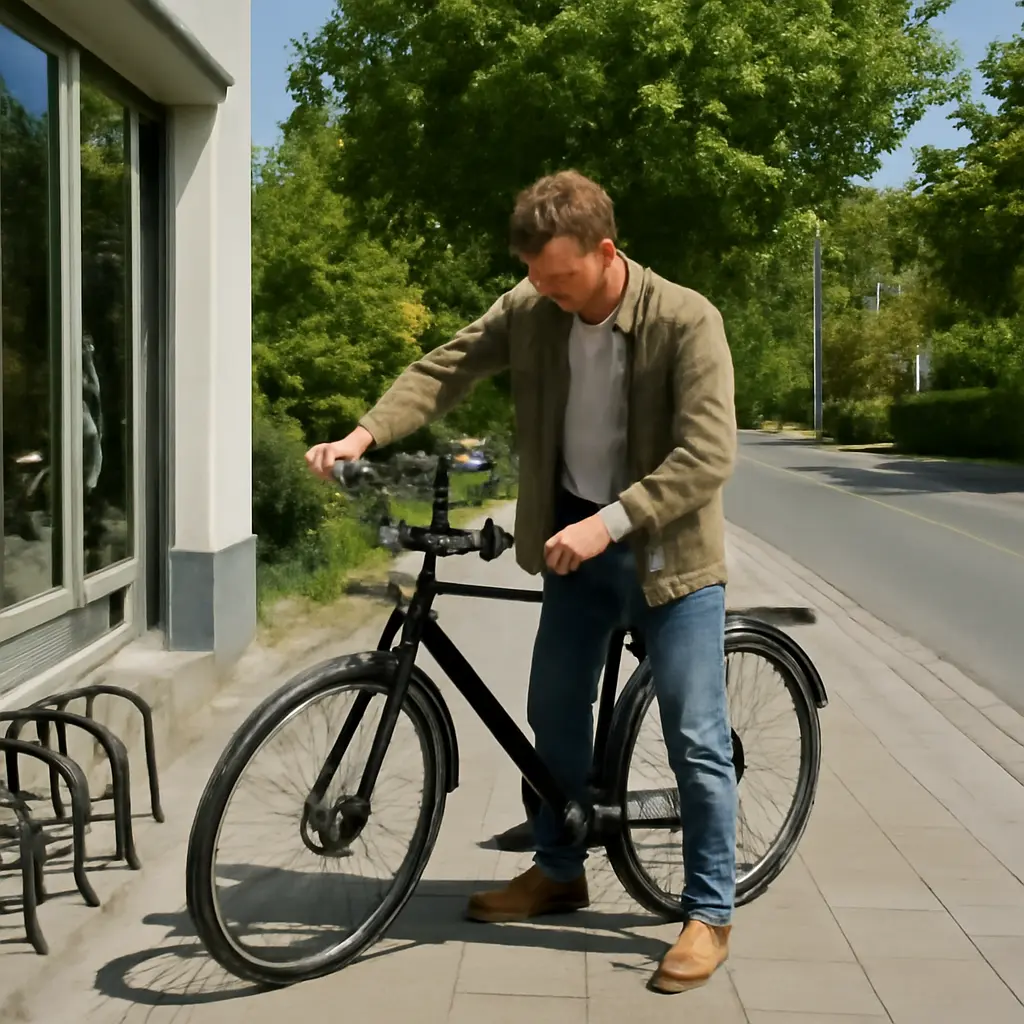
UV Protection Matters More Than You Think on Long Rides
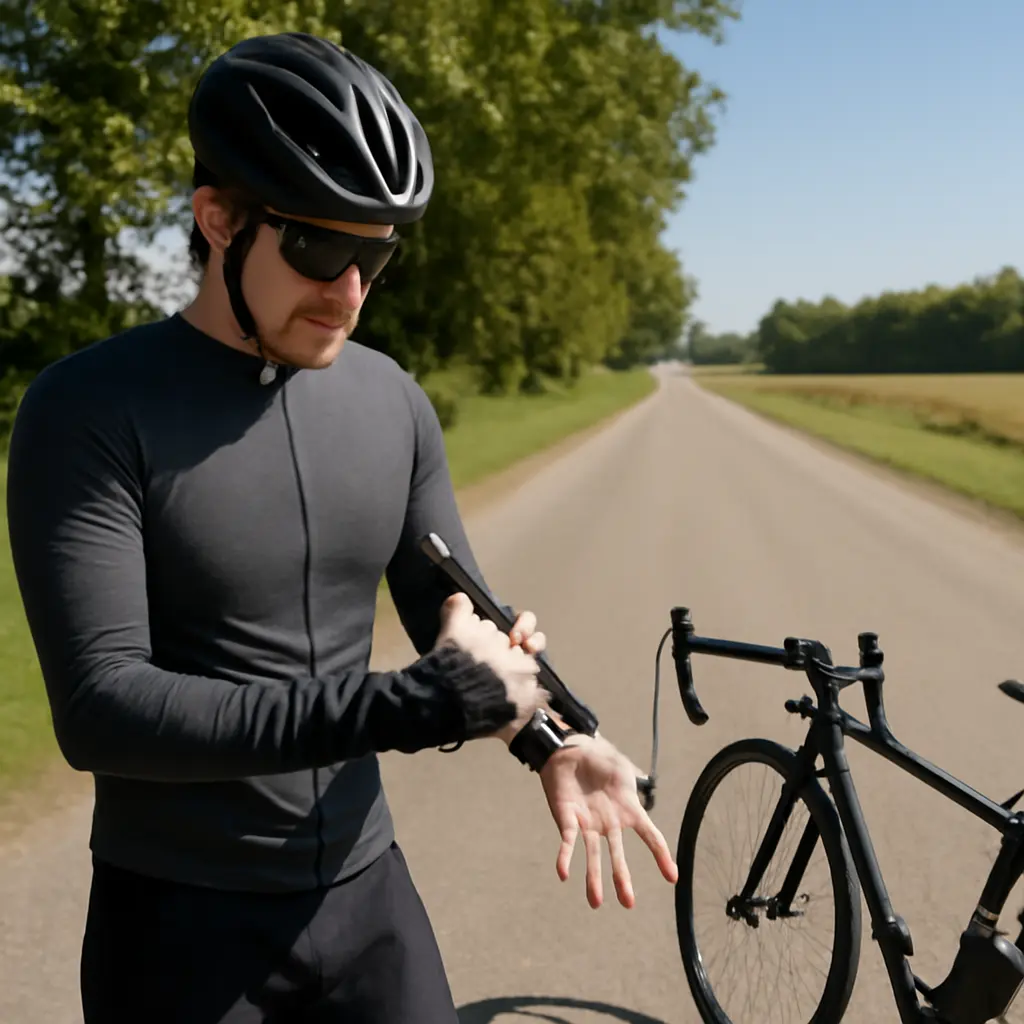
Ultraviolet (UV) protection on long rides means limiting the amount of sun exposure that reaches your skin and eyes during extended time outdoors. It matters more than many riders realize: UV radiation can damage skin even when the air feels cool or the sky is cloudy, and exposure accumulates across hours on the road. The World Health Organization (WHO) identifies UV radiation as a cause of skin cancer and eye damage, while the U.S. Environmental Protection Agency’s UV Index provides a practical way to judge daily exposure risk. For cyclists, motorcyclists, and other long-distance riders, effective protection combines clothing, sunscreen, eyewear, route planning, and repeat application—not just a quick coat of sunscreen before departure.
UV exposure makes protection essential on long rides
Ultraviolet radiation is invisible energy from the sun. The WHO describes solar UV radiation as a health hazard that can cause sunburn, premature skin aging, skin cancers, and damage to the eyes. UV exposure depends on more than temperature: time of day, season, altitude, latitude, cloud cover, and reflection from surfaces all affect the amount reaching a rider.
The WHO’s Global Solar UV Index classifies readings of 3 or higher as a level at which protection is needed. The U.S. EPA explains that the index estimates the strength of sunburn-producing UV radiation at a particular place and time. A long ride can therefore be risky even on a breezy day, especially when it spans the midday hours or passes through high-altitude terrain.
The scale of the health concern is substantial. The WHO reports that an estimated 1.5 million new cases of non-melanoma skin cancer and 325,000 new melanoma cases occurred worldwide in 2020. Those figures do not mean every case is caused by riding, but they underline why repeated, avoidable UV exposure deserves attention. The American Academy of Dermatology (AAD) also notes that skin cancer is the most common cancer in the United States.
UV protection combines barriers, timing, and reapplication
UV protection is a set of measures that reduces exposure to ultraviolet radiation, rather than a single product or action. The WHO recommends limiting exposure around midday, seeking shade, wearing protective clothing, using sunscreen on uncovered skin, and wearing a hat and sunglasses. For riders, the practical version is layered: cover the skin where possible, protect exposed areas with sunscreen, shield the eyes, and plan breaks or route timing to reduce intense exposure.
These measures address different exposure pathways. Clothing blocks or absorbs radiation over covered skin; sunscreen helps protect areas clothing cannot cover; eyewear reduces UV reaching the eyes; and timing or shade lowers the dose before it reaches the body. Because a ride may last longer than the effective period of a single sunscreen application, reapplication and checking for coverage gaps are especially important.
Protective clothing and coverage
Protective clothing is fabric worn to reduce UV reaching the skin. The Skin Cancer Foundation explains that ultraviolet protection factor (UPF) indicates how much UV radiation a fabric blocks: for example, UPF 50 fabric allows about 1/50, or 2 percent, of UV radiation to pass through under test conditions. UPF-rated jerseys, arm sleeves, gloves, and neck coverings can therefore provide dependable coverage without relying on repeated sunscreen application to those areas.
Coverage matters as much as fabric rating. Riders commonly leave the backs of the hands, ears, neck, lower face, and gaps between gloves and sleeves exposed. Fit, stretch, moisture, and wear can affect how well a garment covers skin, so check clothing in the riding position—not only while standing. A helmet brim or visor may shade part of the face, but it does not replace sunscreen or eye protection.
Sunscreen for exposed skin
Sunscreen is a topical product that reduces the amount of UV radiation reaching the skin when applied as directed. The AAD recommends a broad-spectrum, water-resistant sunscreen with SPF 30 or higher for exposed skin. “Broad-spectrum” indicates protection against both UVA and UVB radiation; SPF primarily measures protection against sunburn-producing UVB under standardized test conditions.
The U.S. Food and Drug Administration (FDA) advises applying sunscreen 15 minutes before sun exposure and reapplying at least every two hours, as well as after swimming or sweating according to the product label. Heavy sweating, wiping the face, or friction from clothing can make a long ride a poor setting for assuming an earlier application remains effective. Apply generously to exposed areas—including ears, the back of the neck, hands, and any skin visible between garments—and carry enough for the full trip.
UV-blocking eyewear
UV-blocking eyewear protects the eyes and surrounding tissues from ultraviolet radiation. The National Eye Institute explains that UV exposure is associated with eye conditions including cataracts and other forms of eye damage. Riders should choose sunglasses labeled to block 99 to 100 percent of UVA and UVB, or labeled UV400, and select a shape that limits light entering around the sides where practical.
Tint alone is not proof of UV protection: dark lenses without adequate UV filtering can reduce visible light while leaving the eyes exposed to UV. Wraparound designs can also reduce wind, dust, and side-entering light, which makes them useful on open roads. Clear or lightly tinted lenses with verified UV protection can be appropriate when visibility conditions require them.
Riding conditions change the UV dose
A rider’s UV dose is shaped by the route and conditions, not just by the forecast’s temperature or a general description such as “partly cloudy.” The WHO notes that UV intensity varies with solar elevation, cloud conditions, altitude, and reflection. These factors can make two rides of equal length carry different exposure risks.
Time of day, season, and altitude
UV radiation is generally strongest around solar noon, when the sun is highest. The EPA advises using the local UV Index to guide protection decisions; the index forecast can help riders identify high-risk hours and consider an earlier start, a later finish, or a shaded stop. At higher elevations, the atmosphere filters less UV, so mountain routes may warrant extra care even when temperatures are cool.
Season and latitude also matter. A ride in a region with a high sun angle can have substantial UV exposure outside the hottest months, and a cool-weather ride does not automatically mean low UV. Check the UV Index for the actual location and date rather than relying on heat, cloud cover, or a personal sense of how strong the sun feels.
Clouds, reflection, and open-road exposure
Clouds can reduce UV, but they do not guarantee protection. The WHO notes that scattered clouds may allow substantial UV to pass through, and some cloud conditions can even increase exposure at particular moments. Riders should continue using protection when it is overcast if the UV Index indicates a meaningful risk.
Reflection from surfaces can add exposure. The WHO identifies snow, sand, and water as reflective environments; roads and other bright surfaces may also contribute to reflected light. Long rides often offer little shade, so exposed skin can receive direct sunlight for hours. A shaded rest stop can lower exposure during a break, but it does not undo the UV dose already received on the route.
A long-ride UV plan prevents common coverage gaps
A practical UV plan treats protection as part of ride preparation and maintenance. Riders can check the UV Index, choose clothing that covers vulnerable areas, apply sunscreen before setting out, and schedule reapplication stops. This routine is useful for road cyclists, touring motorcyclists, commuters, and anyone spending extended time outdoors in a seated position.
Before departure
-
Check the local UV Index for the route and riding hours; plan added protection when it is 3 or higher, following WHO guidance.
-
Choose UPF-rated or tightly woven clothing that covers arms, legs, neck, and hands where practical.
-
Apply broad-spectrum, water-resistant SPF 30 or higher sunscreen to uncovered skin before exposure.
-
Wear eyewear labeled to block 99 to 100 percent of UVA and UVB or UV400, and carry a backup if the ride is long.
During and after the ride
-
Reapply sunscreen at least every two hours and follow the label’s instructions after heavy sweating or wiping.
-
Check coverage at stops, particularly at the ears, nose, neck, hands, and clothing edges.
-
Use shade for breaks and, when feasible, avoid scheduling the longest exposed section around midday.
-
After the ride, inspect skin for unusual or changing spots and seek medical advice about concerning changes.
Consider a hypothetical century ride that starts in the morning and continues through midday: sunscreen applied before the start may not be enough for the entire trip, while sleeves, gloves, UV-blocking glasses, and a planned reapplication stop provide overlapping protection. The example illustrates the principle behind layered protection; it is not a guarantee against skin or eye damage.
Conclusion: make UV protection part of every long ride
UV protection matters on long rides because exposure accumulates, and temperature or cloud cover cannot reliably indicate the level of risk. Protective clothing, correctly chosen sunscreen, UV-blocking eyewear, route timing, shade, and reapplication each address a different part of the problem. The WHO’s UV Index threshold of 3 or higher is a useful prompt to take protection seriously, while the AAD and FDA recommendations help riders choose and use sunscreen appropriately.
Before your next long ride, check the UV Index, cover what you can, protect exposed skin and eyes, and plan when to reapply. For additional guidance, consult the WHO, EPA, AAD, FDA, National Eye Institute, and Skin Cancer Foundation resources listed below.
Sources: World Health Organization, Radiation: The ultraviolet (UV) index, https://www.who.int/news-room/questions-and-answers/item/radiation-the-ultraviolet-(uv)-index; World Health Organization, Ultraviolet radiation, https://www.who.int/news-room/fact-sheets/detail/ultraviolet-radiation; U.S. Environmental Protection Agency, UV Index Scale, https://www.epa.gov/sunsafety/uv-index-scale-0; American Academy of Dermatology, Sunscreen FAQs, https://www.aad.org/media/stats-sunscreen; U.S. Food and Drug Administration, Tips to Stay Safe in the Sun: From Sunscreen to Sunglasses, https://www.fda.gov/consumers/consumer-updates/tips-stay-safe-sun-sunscreen-sunglasses; National Eye Institute, Keep Your Eyes Healthy: Protect Them from the Sun, https://www.nei.nih.gov/learn-about-eye-health/healthy-vision/keep-your-eyes-healthy/protect-your-eyes-sun; The Skin Cancer Foundation, Sun-Protective Clothing, https://www.skincancer.org/skin-cancer-prevention/sun-protection/sun-protective-clothing/
Related Post
How trail conditions change everything about bike geometry choices
A mountain bike’s geometry is the set of frame and fork dimensions that influence how [...]
How Road Bike Geometry Actually Changes Your Performance
Road bike geometry is the set of frame dimensions and angles that determine how a [...]