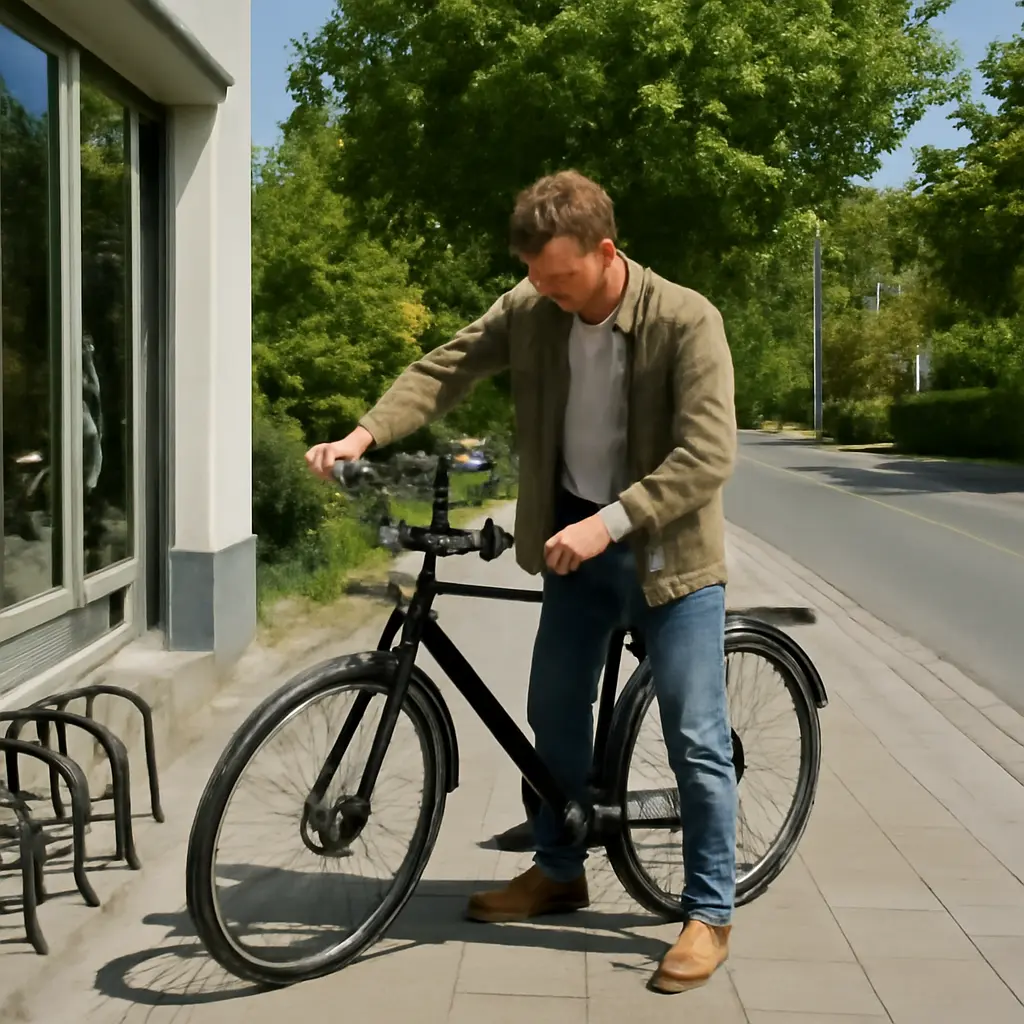
Carrying a full workday on two wheels without looking ridiculous
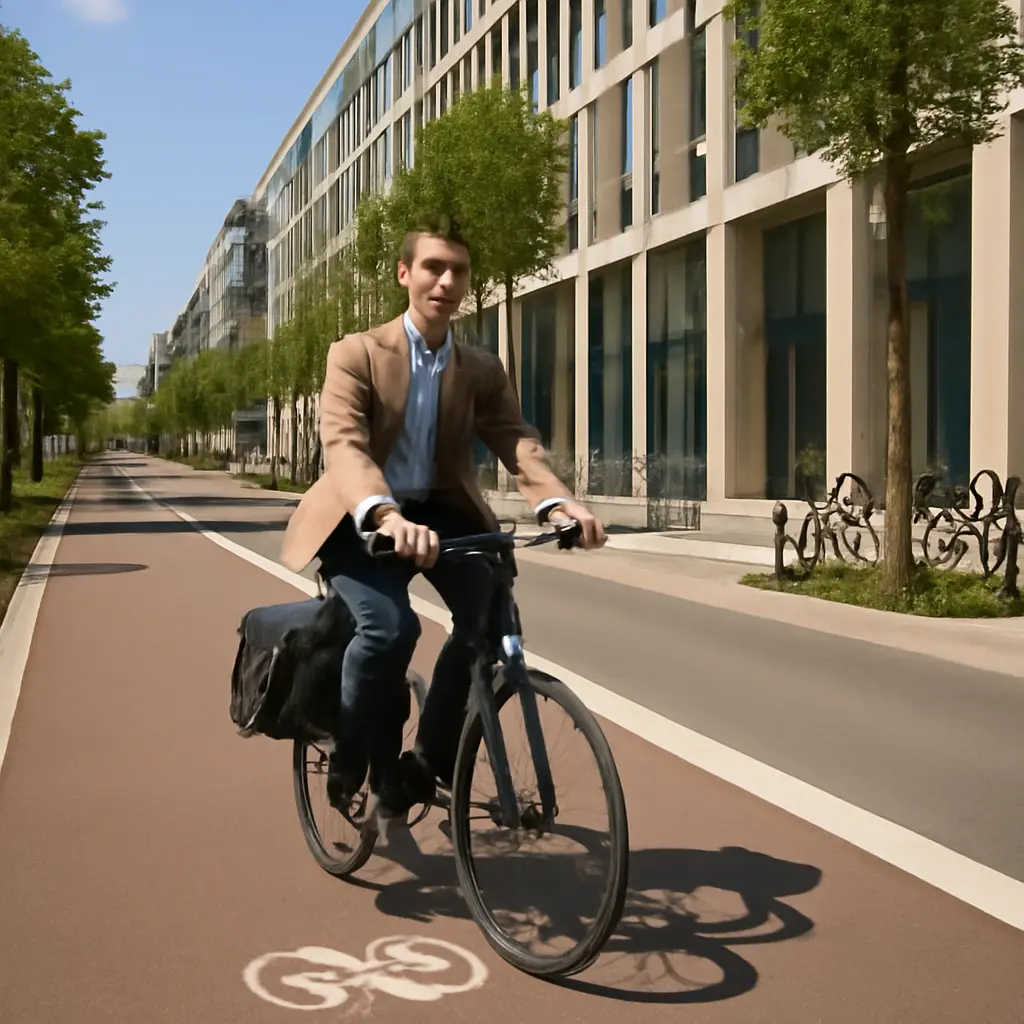
A practical two-wheel workday setup is a bicycle or e-bike paired with clothing, bags, and small routines that keep you comfortable and presentable from the commute through the last meeting. The aim is not to look like a racer or haul your entire desk: it is to carry a change of clothes and essential work items securely, protect them from weather, and arrive ready to work. That matters because commuting is routine for millions of people: the U.S. Census Bureau reported that 3.1% of American workers usually biked to work in 2019, before pandemic-era travel changes. A polished setup starts with choosing the right carry system, then managing clothing, weather, and security.
Workday cycling gear: the right carry system
For a bicycle commute, a carry system is the combination of bags, racks, and accessories used to move work essentials without compromising control or comfort. Cycling safety guidance from the League of American Bicyclists emphasizes riding predictably and maintaining control; in practical terms, that means keeping loads stable and avoiding bulky bags that sway or interfere with steering.
The main options are panniers, backpacks, messenger bags, and bikepacking-style bags. The best choice depends on the distance, the amount you carry, whether your route includes stairs or transit, and whether you want to arrive wearing the bag or leave it on the bicycle.
Panniers for a stable, office-ready load
A pannier is a bag that attaches to a bicycle rack, usually beside the rear wheel. It moves weight off your shoulders and can hold a laptop sleeve, lunch, rain layer, and spare clothes. For a full workday, a single pannier often suffices; a pair is useful for heavier loads, but distribute weight evenly and keep the total load within the rack and bicycle manufacturer’s limits.
Choose a model with secure hooks, a closure that resists rain, and a shoulder strap or handle for carrying into the office. Before commuting, test the attachment and check that the bag cannot touch the wheel, brake, or drivetrain. A rear rack can also make a work outfit more comfortable by avoiding the sweaty back that can come with a loaded backpack.
Backpacks and messenger bags for flexible trips
A backpack is convenient when you need to carry your things off the bicycle or combine cycling with public transit. Its trade-off is that shoulder and back contact can increase heat and perspiration. A messenger bag is easy to access and can work well for a light load, but it should sit snugly and should not swing when you turn or brake.
For either style, place the heaviest items close to your body and use a padded, weather-resistant compartment for electronics. If the bag changes how you balance, blocks your view, or slides around, reduce the load or switch to a rack-mounted option.
Keep the load compact and secure
A workday kit is easier to ride with when it is limited to what you will actually use. Carry a laptop only when needed, keep chargers and small items in pouches, and avoid loose straps that can catch in moving parts. The National Highway Traffic Safety Administration advises cyclists to check that equipment is in working order before riding; a quick pre-ride check should include the load, tires, brakes, lights, and rack attachments.
Workday cycling clothing: arrive presentable
Workday cycling clothing is the planned combination of riding layers and office attire that lets a person travel comfortably and change or refresh on arrival. It does not require specialist cycling clothes for every commute. A practical approach is to dress for the ride’s exertion and weather, then protect or change the garments that need to look crisp.
The Centers for Disease Control and Prevention recommends dressing appropriately for weather and taking steps to avoid heat-related illness. That makes breathable layers and a way to manage sweat as important as the clothes themselves, especially on an e-bike or a hilly route where effort and temperature can vary.
Change clothes when the route or workplace calls for it
Carrying a change means transporting office clothes separately from what you ride in, rather than expecting a commute outfit to serve every purpose. Roll or fold garments carefully in a dry bag, and put shoes in a separate compartment so dirt does not transfer to work clothes. If the trip is short and the workplace is casual, commuting in ordinary clothes may be simplest; for formal offices, carrying a clean shirt or full outfit is usually more reliable.
A compact toiletry pouch can hold deodorant, a comb, and a small towel. If your workplace has a shower or changing room, use it when needed; otherwise, leave time to cool down before changing. This small buffer can make more difference to looking composed than expensive gear.
Protect clothes from wrinkles and road grime
A garment sleeve or packing cube separates clean clothes from wet or dirty riding layers. For shirts and trousers, choose fabrics that tolerate folding and recover well after unpacking, and avoid placing a heavy laptop directly on delicate clothing. Keep a spare pair of socks in a sealed pouch: wet feet can turn an otherwise comfortable commute into a long workday distraction.
Use visibility gear without sacrificing everyday style
Visibility is a safety feature, not a fashion category. The NHTSA recommends using lights and reflective materials to help cyclists be seen, particularly in low-light conditions. A compact front and rear light, reflective accents on a jacket or bag, and light-colored outerwear can provide visibility without requiring a head-to-toe racing kit. Check local laws for lighting requirements and use lights appropriate to the conditions.
Workday cycling weather and security: plan for the real commute
Weather readiness and bicycle security are the practical safeguards that keep a commuting routine dependable. A setup that works only in perfect weather or leaves a valuable bicycle exposed may not support regular use. Build a small response plan around rain, temperature changes, parking, and the possibility of a flat tire.
Rain protection without overpacking
A rain-ready commute uses a waterproof or water-resistant outer layer, fenders where compatible, and a dry place for electronics and office clothes. Waterproof panniers can simplify the system; with ordinary bags, use pack liners or dry bags rather than relying on a cover that can shift in wind. Pack only the rain gear appropriate to the forecast and route, and give wet items a separate place once you arrive.
Fenders help reduce spray from wet roads, while lights make a bicycle easier to notice in poor visibility. A quick weather check before leaving helps determine whether to carry a shell, change the route, or allow extra travel time.
Locking and parking a commuter bicycle
Secure parking means locking the bicycle to an immovable rack or anchor and protecting valuable removable parts. The NHTSA advises cyclists to lock bicycles when unattended. Use a quality lock appropriate to the local theft risk, secure the frame and, where possible, a wheel, and avoid leaving a battery or accessories on an e-bike if they can be removed.
A workplace bike room or staffed parking area can make daily cycling easier. If those options are unavailable, ask building management about a secure indoor location rather than improvising with railings or access routes that must remain clear.
Maintenance and a small repair kit
A dependable commuter carries only a few repair essentials: a spare tube or appropriate patch kit, tire levers, a pump or inflator, and the tools needed for the bicycle. The League of American Bicyclists promotes routine bicycle checks; regular attention to tire pressure, brakes, chain condition, and lights can prevent small issues from disrupting a workday. Learn how to use the kit before relying on it during a rushed morning.
A realistic two-wheel workday example
Consider an employee with a moderate urban commute, an office dress code, and no shower at work. A rear rack and one weather-resistant pannier carry a folded change of clothes, laptop in a padded sleeve, lunch, and a light shell. The rider wears comfortable everyday clothes, uses lights and a helmet, and keeps a small towel and basic grooming items at the office. On arrival, they allow a few minutes to cool down, change, and store the riding layer separately.
The same plan can be adjusted rather than replaced: a backpack may suit a transit connection, while a second pannier can balance a heavier load. An e-bike can help make hills or longer distances manageable, but does not eliminate the need to secure cargo, dress for weather, or use safe riding practices. The aim is a repeatable routine, not a showcase of specialist equipment.
Conclusion: make the workday ride repeatable
Carrying a full workday on two wheels without looking ridiculous comes down to a stable carry system, a deliberate clothing plan, and sensible preparation for weather, security, and minor repairs. Panniers are often the easiest way to keep weight off your back; a change of clothes and a few arrival essentials can preserve a professional appearance; lights, locks, and routine checks support safer, more dependable trips.
Start with one realistic commute and pack only what you use. Check your bicycle and local cycling rules, identify secure parking, and adjust the setup after a week of riding. For further guidance, consult the League of American Bicyclists and NHTSA cycling safety resources.
Sources: U.S. Census Bureau, Means of Transportation to Work by Selected Characteristics, 2019 American Community Survey, https://data.census.gov/; League of American Bicyclists, Smart Cycling, https://bikeleague.org/ridesmart/; National Highway Traffic Safety Administration, Bicycle Safety, https://www.nhtsa.gov/road-safety/bicycle-safety; Centers for Disease Control and Prevention, Heat and Athletes, https://www.cdc.gov/heat-health/about/heat-and-athletes.html
Related Post
How To Read A Helmet Certification Label Without Losing Your Mind
A helmet certification label is the small but important mark that identifies which safety standard [...]
What mechanics wish cyclists knew before showing up
A bicycle mechanic is a trained technician who inspects, maintains, and repairs bicycles and their [...]