The hidden cost of buying bike bags without testing weight distribution
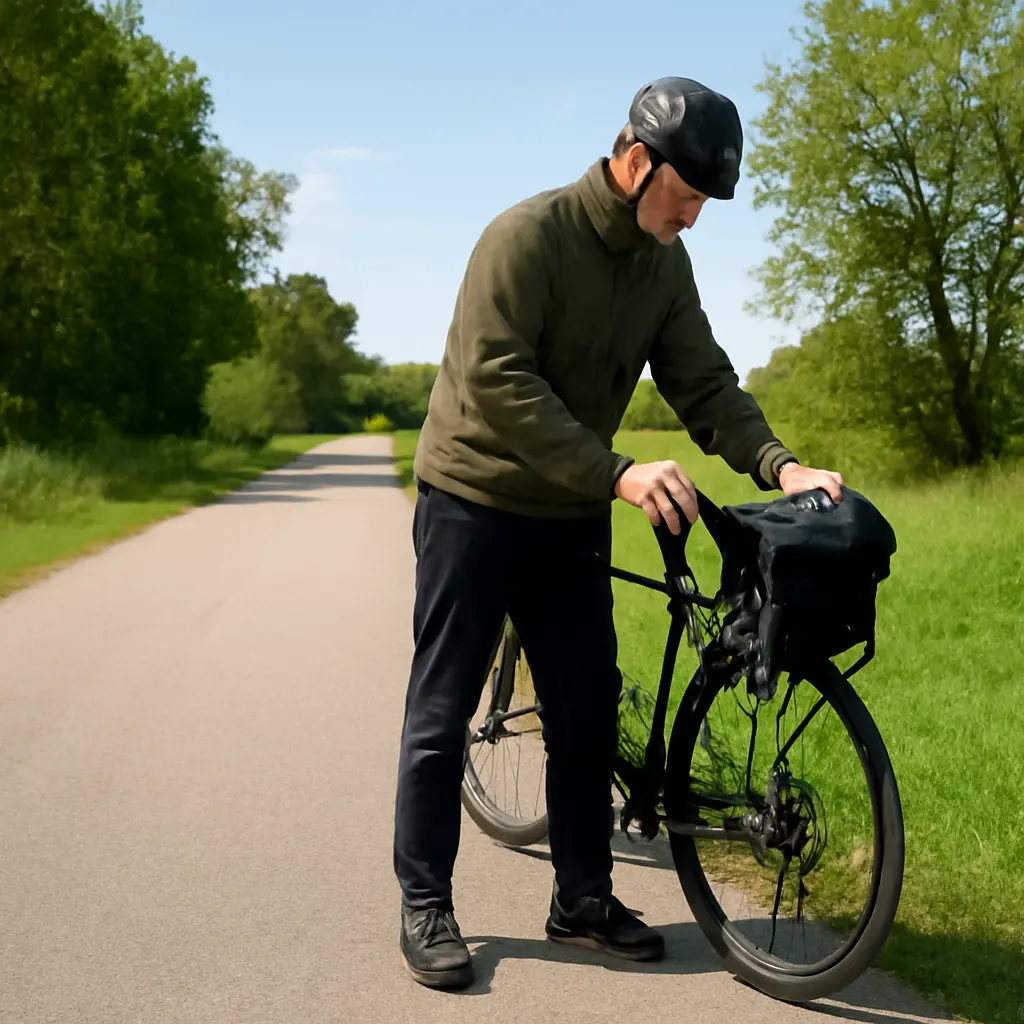
A bike bag is luggage mounted to a bicycle, but choosing one by appearance or capacity alone can hide a costly problem: its weight may sit too high, too far back, or unevenly across the bike. Those placement choices affect steering, stability, braking, and comfort, especially when a loaded bicycle is moving slowly or descending. A short test ride with representative cargo can reveal problems before purchase; checking bag position, axle loads, attachment limits, and handling helps riders avoid unsuitable gear, damaged components, and unsafe trips.
Weight distribution shapes bike-bag handling
Weight distribution is the way a bicycle’s total load is positioned across its front and rear wheels and vertically above the ground. It is not just the bag’s stated capacity: a 20-litre bag packed with dense tools can affect handling differently from the same bag filled with light clothing. The Adventure Cycling Association’s guidance on bicycle touring emphasizes keeping loads balanced and securing them so they do not shift. The practical implication is simple: test the loaded bicycle, not just the empty bag.
The main arrangements are front-loaded, rear-loaded, evenly divided front-and-rear, and frame-centred loading. Each has trade-offs. A front load can influence steering; a rear load can make the back of the bike feel heavy; and a low, centred load generally reduces the leverage that luggage exerts on the bicycle. These are tendencies rather than guarantees: frame geometry, wheelbase, tire pressure, riding speed, and bag attachment all matter.
High and low loads
A high load raises the combined centre of gravity of rider, bicycle, and luggage. That can make the bike feel more top-heavy when cornering, stopping, or balancing at walking speed. Panniers mounted low on compatible racks generally keep cargo lower than a large, heavily packed seat pack. However, a low position is not automatically safe: bags must clear the wheel, pedals, brakes, and drivetrain, and the rack and frame must be approved for the load.
A useful test is to ride slowly through gentle turns and make controlled stops with the bag loaded as it will be used. If the bike feels awkward to balance or the bag swings, shifts, or rubs, revise the packing or mounting before adding distance or speed.
Front-versus-rear loading
A rear-heavy setup may feel stable in a straight line but can make the front wheel feel light, particularly on climbs or when accelerating. A substantial front load may make steering feel slower or heavier and can affect how the front wheel tracks over uneven ground. Distributing cargo between both ends can reduce extreme imbalance, but the right split depends on the bicycle and route.
Before purchasing, consider whether the bicycle has suitable rack mounts, whether a front rack is compatible with its fork and brakes, and whether the manufacturer specifies a maximum load. A bag’s advertised capacity is not permission to exceed the rack, frame, wheel, or bicycle limits.
Bag movement and attachment security
Weight distribution can change during a ride if cargo shifts inside the bag or the bag moves on its mounts. A loose load can produce a sudden change in balance, while contact with a tire or wheel can cause damage or a crash. Pack heavy items close to the bicycle and secure them so they cannot slide; check straps, hooks, buckles, and rack fasteners before riding.
The U.S. Consumer Product Safety Commission advises bicycle users to maintain their bicycles and check components before riding. For luggage, that means inspecting attachment points and confirming that clearance remains adequate when the bicycle is loaded and the suspension, if present, is compressed.
Skipping a loaded test creates hidden costs
The hidden cost of buying without testing is rarely limited to the purchase price. An unsuitable bag may require extra racks or adapters, be returned or replaced, damage paint or components through rubbing, or make a trip uncomfortable enough to prompt a second gear purchase. More importantly, unexpected handling changes can increase risk. There is no single reliable percentage for these costs: they depend on the bicycle, load, fit, and how the bag is used.
Handling, braking, and control
A loaded bicycle has more total mass than an unloaded one, so stopping distances and the effort required to control it can change. The exact effect varies with speed, road surface, tires, brakes, and load position; riders should not assume that a bike that feels predictable empty will behave identically with luggage. Test braking progressively in a safe, traffic-free area, and avoid abrupt maneuvers until familiar with the loaded setup.
The National Highway Traffic Safety Administration recommends checking bicycle equipment and brakes before riding. A pre-trip check should include brake operation, tire condition and pressure within the tire maker’s guidance, wheel security, and luggage clearance. If braking feels weak or the bag interferes with a control or wheel, do not ride until the problem is corrected.
Fit, comfort, and interference
A bag can fit its advertised rack yet interfere with the rider. Rear panniers may strike the heels; a large handlebar bag may obstruct cables, lights, or a clear view of the front wheel; and a seat pack may sway against the legs. These issues are difficult to judge from product dimensions alone because rider proportions, frame size, and equipment differ.
A representative test should include the shoes, pedals, lights, bottles, and other accessories used on real rides. Check heel clearance while pedaling, steering range from side to side, and visibility of lights and reflectors. For a bag that cannot be tried in a shop, confirm the return policy and measure the bicycle’s available clearance before removing tags or modifying mounts.
Unexpected compatibility and replacement expenses
A low-cost bag can become an expensive choice if it requires a different rack, special mounting hardware, or repeated adjustments. Frame designs vary, and some bicycles lack rack eyelets or have manufacturer restrictions on cargo carrying. The European Cyclists’ Federation’s cycling guidance and bicycle manufacturers’ manuals both point toward checking equipment suitability rather than treating accessories as universally interchangeable.
Before buying, verify the bag’s mounting system, rack compatibility, load rating, and clearance. If the bicycle manufacturer prohibits a particular rack or attachment, follow that guidance; an improvised fit may put stress on parts not designed to carry luggage.
A practical test prevents poor bag choices
A useful pre-purchase test reproduces the actual riding load as closely as possible. Use the intended rack and bag where possible, and pack comparable items—or safe substitutes—with similar weight and placement. A few minutes of checks cannot predict every road condition, but they can expose obvious balance, fit, and clearance problems before a long ride.
Test with representative weight
Estimate the weight of the cargo the bag will carry, then pack it securely. Do not use loose objects that could shift or fall out during testing. Start with a short ride at low speed in a quiet, level area, checking starts, stops, gentle turns, and walking the bicycle. If the setup feels acceptable, expand the test gradually to include a modest incline and the type of surface expected on the trip.
For heavier loads, weigh the complete bicycle and luggage if a suitable scale is available, and consult the bicycle, rack, and wheel makers’ limits. The lowest applicable rating governs: a high-capacity bag does not increase the allowable load of a weaker rack or frame.
Use a repeatable inspection checklist
- Confirm that the bag is compatible with the rack, frame, fork, and intended bicycle use.
- Check the load limits stated by the bicycle, rack, wheels, and bag manufacturer.
- Place dense items low and close to the bicycle, and divide the load to avoid an extreme front- or rear-heavy setup.
- Secure the contents and inspect straps, hooks, fasteners, and rack connections.
- Check tire, heel, pedal, brake, cable, light, and reflector clearance with the load installed.
- Test starts, slow turns, controlled braking, and walking the bicycle before riding in traffic or on a long route.
- Recheck the mounting hardware after the first short ride and periodically thereafter.
Compare setups rather than guessing
If practical, compare the candidate bag with another arrangement using the same cargo. For example, test a rear-only setup against a balanced front-and-rear setup, while keeping each within all equipment limits. A simple ride log can record loaded weight, bag position, steering feel, clearance issues, and adjustments. This makes the choice evidence-based for the rider and bicycle rather than dependent only on online photos or capacity claims.
A text-based comparison chart could list each setup across four checks—handling, clearance, stability, and compatibility—and mark each as acceptable, needs adjustment, or unsuitable. Such a chart is not a substitute for manufacturer limits, but it helps identify trade-offs before purchase.
Conclusion: test the load before committing
Weight distribution influences how a loaded bicycle steers, balances, brakes, and fits its rider. High, front-heavy, rear-heavy, or shifting cargo can each create different problems, while a bag that is technically compatible may still interfere with pedaling or equipment. The cost of skipping a test can include replacement purchases, component wear, lost comfort, and avoidable safety risks.
Before buying, check the manufacturer’s limits, load the bag realistically, inspect clearances, and take a controlled test ride. Treat the bicycle, rack, wheels, and bags as one system—and seek guidance from a qualified bicycle mechanic when compatibility or load limits are unclear.
Sources: Adventure Cycling Association, Touring Bikes and Gear, https://www.adventurecycling.org/bicycle-touring/; U.S. Consumer Product Safety Commission, Bicycle Safety, https://www.cpsc.gov/Safety-Education/Safety-Guides/Sports-Fitness-and-Recreation/Bicycles; National Highway Traffic Safety Administration, Bicycle Safety, https://www.nhtsa.gov/road-safety/bicycle-safety; European Cyclists’ Federation, Cycling Facts and Figures, https://ecf.com/resources/cycling-facts-and-figures.
Related Post
The Ventilation Problem Nobody Talks About in Gravel Cycling
Ventilation in gravel cycling is the exchange of air through a rider’s clothing and around [...]
Base Layers and Moisture Management for Serious Riders
A cycling base layer is the garment worn next to the skin to move sweat [...]