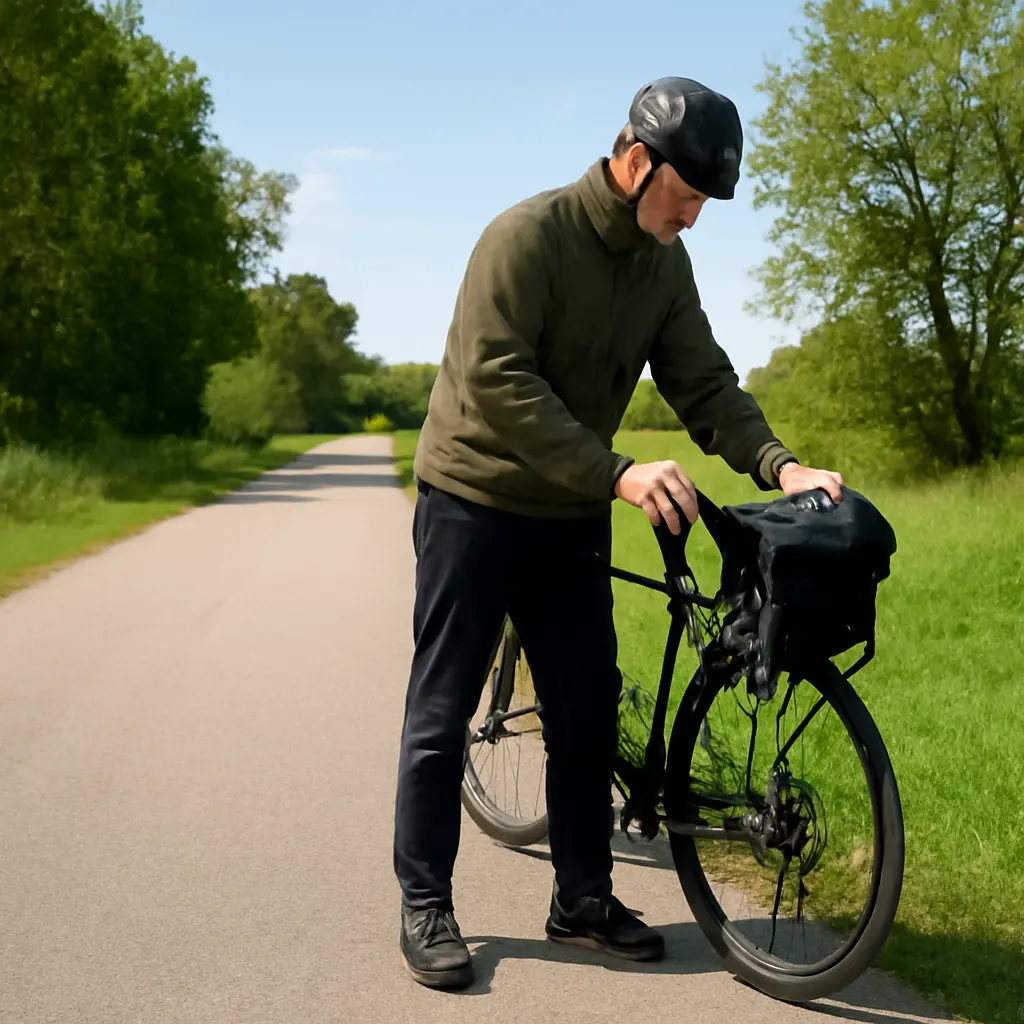
The Unexpected Comfort Hack That Changed Overnight Cycling Forever
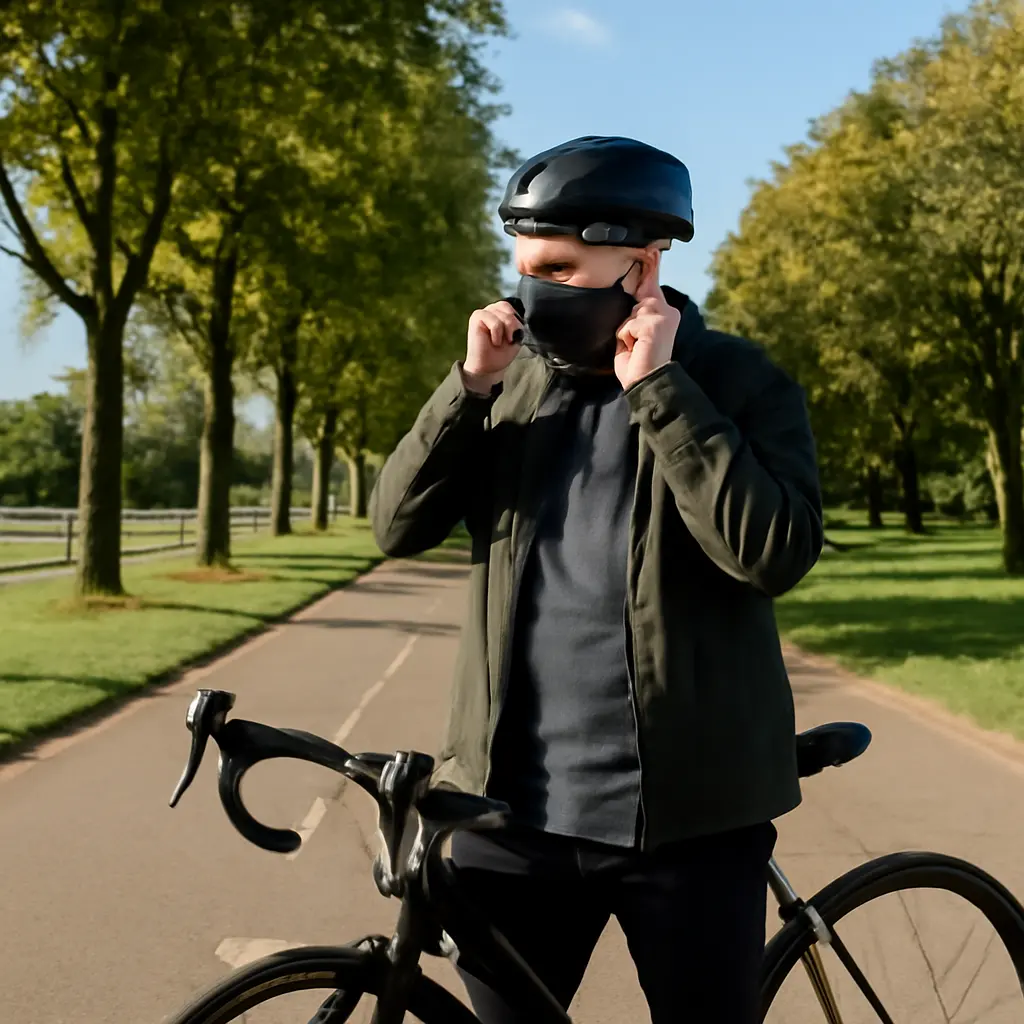
Overnight cycling has a comfort problem: riders need to stay warm and visible for hours without getting sweaty, distracted, or weighed down. One surprisingly effective hack is to use a thin, breathable neck gaiter that can be pulled over the ears and lower face, then adjusted as conditions change. It is not a substitute for a helmet, lights, or proper cold-weather layers, but it can make night rides more comfortable by reducing wind chill while allowing moisture to escape. That small, adaptable layer connects to a bigger shift in cycling: comfort is increasingly treated as part of safety, alongside visibility, fit, and smart route planning.
How adaptive neckwear changed overnight cycling comfort
An adaptive neck gaiter is a tube-shaped fabric layer worn around the neck and repositioned over the ears, cheeks, or lower face. Unlike a fixed balaclava, it can be moved quickly as a rider warms up, climbs, descends, or encounters wind. The “overnight” change is best understood as a practical evolution in riding habits rather than a single invention: versatile outdoor fabrics and multipurpose neckwear made it easier to manage changing temperatures without stopping to change clothes.
The comfort benefit matters because cold, wind, and damp clothing can make riders less willing to continue—and discomfort can distract from traffic and road conditions. The U.S. National Highway Traffic Safety Administration reports that 1,105 bicyclists were killed in U.S. traffic crashes in 2022, underscoring why comfort gear must support, rather than replace, visibility and attention. A gaiter can reduce exposed skin and drafts, but it cannot make a cyclist visible to drivers by itself.
Why a neck gaiter works as a comfort hack
A neck gaiter works by creating a light barrier between skin and moving air. Pulling it higher can cover the ears and cheeks; lowering it can release heat when exertion increases. This adjustability is useful on a ride with changing effort or exposure, such as a commute that alternates between sheltered streets and open, windy roads.
The key is choosing a fabric suited to the conditions. Synthetic performance knits and merino wool are commonly used because they can manage moisture more effectively than ordinary cotton. The Centers for Disease Control and Prevention advises keeping dry in cold conditions, since wet clothing increases heat loss. A gaiter should feel comfortable and breathable, not so tight or thick that it traps sweat or interferes with breathing.
The right fit keeps comfort from becoming a hazard
Fit is part of function. A gaiter should stay in place without pressing on the throat, slipping into the eyes, or obstructing peripheral vision. Riders should also avoid pulling fabric over the nose if it becomes damp enough to make breathing uncomfortable. In freezing conditions, moisture near the mouth can chill or stiffen, so a separate breathable face covering may be preferable.
Any fabric worn near the head must work with a properly fitted helmet. The U.S. Consumer Product Safety Commission recommends wearing a bicycle helmet that fits correctly and is secured with its straps; bulky layers under a helmet can affect stability. Choose a thin layer that does not alter helmet fit, and check that the helmet remains level and secure after dressing.
How comfort layers support safer night riding
The gaiter is only one part of a night-cycling system. Visibility, weather protection, and rider awareness work together: comfortable clothing can help someone stay focused, while lights and reflective materials help others detect them. The Federal Highway Administration’s guidance on pedestrian and bicycle visibility emphasizes conspicuity measures such as lighting and retroreflective materials, particularly in low-light conditions.
Visibility remains more important than warmth
A dark gaiter may improve warmth but does little to make a cyclist easier to see. Use front and rear bicycle lights, reflective details, and bright or high-visibility outerwear. Keep reflective elements visible from multiple directions, and do not cover lights or reflective equipment with a jacket, bag, or loose clothing.
A practical example is a commuter riding before sunrise: a thin gaiter can shield the neck from cold air, while a white front light, red rear light, and reflective ankle or jacket details address the separate problem of being seen. Treat these as complementary measures rather than alternatives.
Layering helps manage changing effort and weather
Layering means using several manageable clothing layers instead of relying on one heavy garment. A base layer moves moisture away from the skin, an insulating layer retains warmth, and an outer layer blocks wind or rain. The gaiter functions as a small, adjustable addition to that system, especially around the neck and ears.
The American College of Sports Medicine’s cold-weather exercise guidance stresses that clothing should account for temperature, wind, activity, and exposure. Riders can begin slightly cool rather than overdressed, then adjust ventilation as their effort rises. Carrying a dry spare gaiter is a simple option for long rides in wet or very cold conditions.
Route and equipment choices complete the comfort strategy
Comfort gear cannot compensate for a route that is unsafe or poorly suited to conditions. Choose well-lit streets where possible, check the forecast, allow extra time on wet or icy surfaces, and make sure tires and brakes are in good condition. The League of American Bicyclists recommends planning routes and riding predictably as part of safer cycling practice.
A useful pre-ride check is to confirm that the helmet fits, lights work, reflective details are unobstructed, the gaiter does not restrict breathing or vision, and the outer layer can handle the expected weather. If conditions worsen, stopping to adjust clothing or choosing a safer alternative is better than pressing on while distracted or cold.
Conclusion: comfort is a practical part of cycling safety
The adaptable neck gaiter is an inexpensive comfort hack because it can reduce drafts and cover exposed skin while remaining easy to reposition. Its value depends on breathable fabric, a secure but nonrestrictive fit, and compatibility with a correctly fitted helmet. For overnight cycling, it belongs within a broader system of layered clothing, working lights, reflective materials, and sensible route choices.
Before your next night ride, test your layers on a short trip and check that nothing blocks your vision, breathing, helmet fit, or lights. For more guidance, consult established bicycle-safety and cold-weather exercise resources rather than treating any single clothing item as a complete safety solution.
Sources: National Highway Traffic Safety Administration, Traffic Safety Facts: Bicyclists, 2022 Data, https://crashstats.nhtsa.dot.gov/Api/Public/ViewPublication/813556; Centers for Disease Control and Prevention, Preventing Hypothermia, https://www.cdc.gov/winter-weather/prevention/index.html; U.S. Consumer Product Safety Commission, Bicycle Safety, https://www.cpsc.gov/Safety-Education/Safety-Education-Centers/Bicycles; Federal Highway Administration, Bicycle and Pedestrian Safety, https://highways.dot.gov/safety/pedestrian-bicyclist; American College of Sports Medicine, Exercising in the Cold, https://www.acsm.org/education-resources/trending-topics-resources/resource-library/detail?id=cbfa38a3-9a8a-4a8d-98a3-195ff5ba8db0; League of American Bicyclists, Smart Cycling, https://bikeleague.org/ridesmart/
Related Post
Base Layers and Moisture Management for Serious Riders
A cycling base layer is the garment worn next to the skin to move sweat [...]
The Ventilation Problem Nobody Talks About in Gravel Cycling
Ventilation in gravel cycling is the exchange of air through a rider’s clothing and around [...]