Bicycle Maintenance Routine Preventing Drivetrain Wear Through Regular Lubrication Cycles
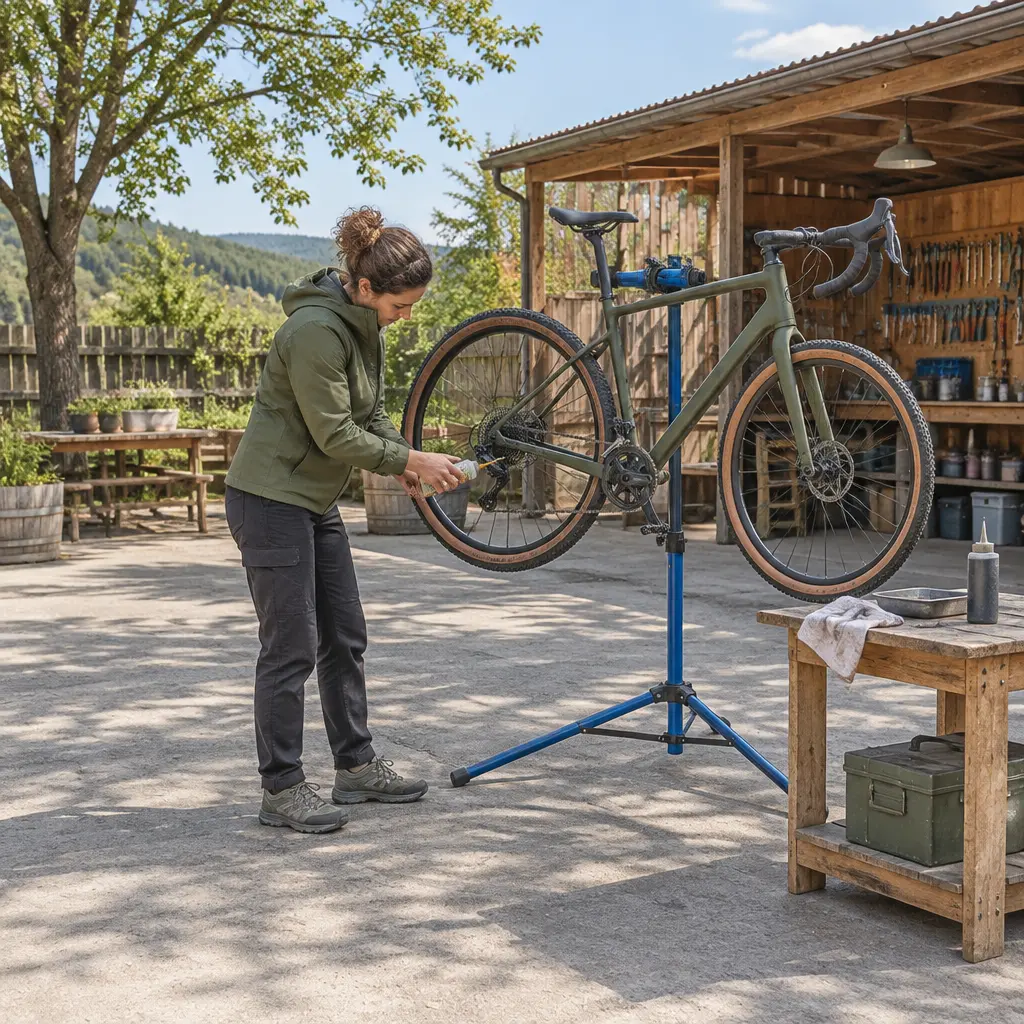
Bicycle Drivetrain Lubrication: A Practical Routine for Preventing Wear
A bicycle drivetrain is the chain and the connected components that transfer pedaling force to the rear wheel. Regular, correctly applied lubrication helps a chain move smoothly while reducing friction and abrasive wear—but lubricant cannot compensate for dirt, poor adjustment, or a chain already worn beyond service limits. A reliable routine is to clean the chain when it is contaminated, apply a lubricant suited to the riding conditions, wipe away excess, and check chain wear periodically. This article explains how lubrication relates to drivetrain wear, compares wet and dry lubes, outlines a repeatable maintenance cycle, and shows how to spot problems before they damage more expensive components.
Drivetrain Lubrication Reduces Friction and Abrasive Wear
Drivetrain lubrication means placing a suitable lubricant inside the chain’s moving joints, where pins, rollers, and inner links articulate as the chain travels around the chainrings and sprockets. Bicycle component maker Shimano’s chain-care guidance emphasizes keeping the chain clean and lubricated; lubricant is intended to reach the moving interfaces, not to leave the chain’s exterior coated in a thick layer. Dirt held by excess oil can act as an abrasive, accelerating wear.
A chain gradually wears as its internal contact surfaces change with use. The resulting increase in effective chain length is commonly called chain elongation, although it is material wear rather than the chain simply stretching like elastic. A worn chain can mesh poorly with cassette and chainring teeth, so replacing it promptly can help avoid damage to those more costly parts. Park Tool’s technical guidance recommends measuring wear with a suitable chain checker or ruler instead of relying on appearance or mileage alone; replacement thresholds vary by chain and measurement method.
The main lubrication categories are wet lubes, dry lubes, and wax-based treatments. They differ in how they handle water, dust, application time, and upkeep. Choosing among them starts with the riding environment, then the routine should be adjusted to the chain’s actual condition rather than a fixed calendar interval.
Wet lubricant for rain and muddy conditions
Wet lube is a relatively persistent liquid lubricant designed to resist being washed off by rain and wet trail conditions. It can suit commuting, winter riding, and muddy routes, but it tends to retain more grit if applied too heavily or left dirty. After wet rides, inspect and clean the chain as needed, dry it, and reapply lubricant when the chain is no longer protected or begins to sound dry.
Dry lubricant for dusty, mostly dry conditions
Dry lube is generally a carrier fluid containing lubricating compounds that leave a lighter film after the carrier evaporates. It is often chosen for dry, dusty riding because it may collect less grime than a sticky wet oil. Its protection can be shorter-lived in rain, so check the chain more frequently after water exposure. Follow the product label for drying time before riding.
Wax-based lubrication for a clean-running chain
Wax lubrication uses a solid or wax-forming film to protect chain contact surfaces. It can keep the chain exterior relatively clean, but hot-wax systems usually require a thoroughly degreased chain before the first treatment; drip-on wax products have their own preparation and curing instructions. Wax is not automatically maintenance-free: riders still need to inspect the chain and renew the treatment according to conditions and manufacturer directions.
A Regular Lubrication Cycle Keeps the Chain Serviceable
A lubrication cycle is a repeatable sequence of inspection, cleaning, drying, application, and wiping. There is no universal mileage interval that fits every rider: rain, road grit, trail mud, riding time, lubricant type, and storage all affect how quickly a chain needs attention. Rather than treating a mileage figure as a rule, use the chain’s condition and the lubricant maker’s instructions as practical guides.
Inspect and clean before adding lubricant
First, shift onto a middle sprocket and turn the pedals backward by hand while checking for visible grit, rust, stiff links, or unusual noise. Wipe the chain with a clean cloth. If grime remains, use a bicycle-appropriate chain cleaner or degreaser according to its label, and avoid directing high-pressure water at bearings. Lubricant applied over a dirty chain can trap contaminants rather than remove them.
Apply lubricant to the chain’s moving joints
With the chain clean and dry, apply a small drop to each roller or link while slowly turning the pedals backward. Aim for the joints, where the chain articulates, rather than flooding the cassette and chainrings. Allow the product to penetrate or cure for the time stated on its label. For wax products, observe any specific preparation and settling instructions.
Wipe away excess and verify smooth operation
After the lubricant has had time to work, hold a clean cloth lightly around the chain and turn the pedals to remove excess from the outer plates. The chain should have lubricant in its joints but should not be visibly dripping or heavily coated. Shift through the gears while pedaling gently and listen for persistent squeaking, skipping, or irregular movement. Noise that remains after cleaning and lubrication may point to a worn chain, stiff link, indexing issue, or another mechanical fault.
For a quick visual reference, a maintenance chart could show the sequence as: inspect → clean if dirty → dry → lubricate each link → allow to set → wipe exterior → check shifting. The key distinction is that lubrication is a recurring care task, while cleaning frequency depends on contamination and riding conditions.
Chain-Wear Checks Complement Lubrication
Lubrication reduces friction at chain joints, but it does not restore worn metal. Chain wear measurement is therefore a separate part of drivetrain maintenance. Park Tool explains that chain-checking tools assess wear using a tool-specific method, and that replacement recommendations depend on the tool and chain system. Use the gauge instructions rather than assuming every checker uses the same threshold.
Use a chain checker or ruler consistently
A chain checker is a convenient way to monitor wear, while a ruler can provide a manual check when used carefully. Measure at several points if the chain has inconsistent wear, and make a note of the reading and date so changes are easier to track. If a gauge indicates the chain has reached its replacement limit, consult the chain manufacturer’s guidance or a qualified mechanic—especially on bicycles with unusual drivetrains or expensive cassettes.
Recognize symptoms that need more than lubricant
A chain that skips under load, repeatedly catches, has a stiff link, or produces persistent noise may need inspection beyond routine lubrication. Worn cassette teeth, incorrect shifting adjustment, a damaged chain, or a drivetrain assembled with incompatible parts can cause similar symptoms. Avoid riding hard if the chain skips unpredictably; have the drivetrain checked before continued use.
Riding Conditions Determine the Maintenance Rhythm
A dry-road bicycle may need less frequent cleaning than a bike used in rain, winter road spray, or muddy trails. A practical approach is to inspect the chain after rides in harsh conditions and before important or long rides. If it is visibly dirty, clean it; if it is clean but sounds dry or shows signs of inadequate lubrication, apply the chosen product as directed. Record maintenance if the bicycle sees frequent use, but do not let a schedule override what the chain actually needs.
For example, a commuter riding through wet weather can wipe the chain after a soaked ride and check whether the wet lube remains effective. A recreational rider on dry paths can inspect for dust and noise before a weekend ride and use a dry or wax-based product appropriate to the setup. In both cases, the same core routine applies; the conditions change how soon inspection and cleaning are needed.
Conclusion: Consistent Chain Care Protects the Drivetrain
Drivetrain lubrication works best as part of a complete maintenance cycle: inspect the chain, clean contamination, dry it, apply an appropriate lubricant to the moving joints, allow it to set, and wipe away excess. Wet, dry, and wax-based products each suit different conditions, while chain-wear measurement helps identify when lubrication can no longer address the problem. Check your bicycle after dirty or wet rides, follow product and component guidance, and measure wear periodically to help keep the drivetrain running smoothly and avoid preventable component damage.
Sources: Shimano, “Chain Maintenance”; https://si.shimano.com/en/; Park Tool, “Chain Wear: How to Measure It”; https://www.parktool.com/en-us/blog/repair-help/chain-wear-how-to-measure-it; Park Tool, “Chain Cleaning”; https://www.parktool.com/en-us/blog/repair-help/chain-cleaning-with-a-park-tool-chain-scrubber.
Related Post

Carrying a full workday on two wheels without looking ridiculous
A practical two-wheel workday setup is a bicycle or e-bike paired with clothing, bags, and [...]
Bicycle Type Selection Matching Frame Geometry To Intended Riding Terrain Reality
Bicycle type selection means matching a bike’s frame geometry and components to the surfaces, gradients, [...]