How Experience Level Affects Your Bike Choice
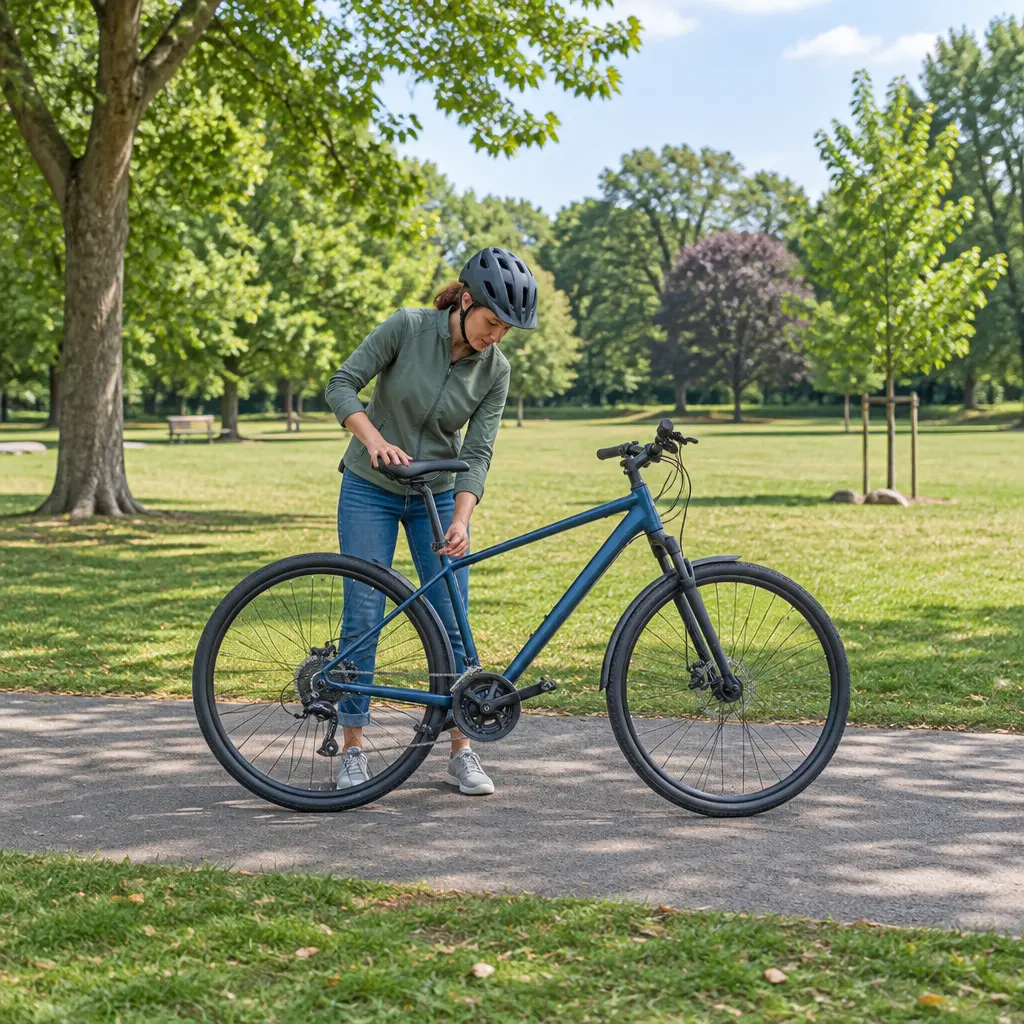
Choosing a bike means matching its design to your experience, goals, and riding conditions—not simply buying the most advanced model. A beginner often benefits from predictable handling, a comfortable fit, and dependable components; an experienced rider may value specialized geometry, lower weight, or precise performance. The right choice also depends on where and how you ride: the PeopleForBikes Foundation’s 2023 U.S. Bicycling Participation Report estimated that 52.7 million Americans rode a bike at least once in 2022, across a wide range of abilities and uses. This guide explains how experience influences bike type, fit, components, and budget, and how to choose a bike that supports safe progression.
Experience Level Shapes Bike Choice and Performance
Experience level is a rider’s developing ability to control a bicycle, manage effort, understand road or trail conditions, and maintain equipment. It is not a formal universal rating: cycling organizations and manufacturers use different skill classifications, so labels such as “beginner” and “advanced” should be treated as practical guides rather than standardized credentials. In bike selection, experience matters because it changes which features are helpful, which trade-offs are manageable, and how much specialized equipment a rider can use effectively.
A useful way to assess experience is to consider more than years spent riding. Confidence in starts and stops, braking, cornering, shifting, riding in traffic, and handling uneven surfaces may be more relevant than mileage alone. The League of American Bicyclists’ education programs, for example, teach practical skills such as bicycle control, hazard awareness, and traffic interaction—abilities that directly affect a rider’s needs and comfort.
Beginner Experience: Prioritize Confidence and Control
A beginner is a rider who is new to cycling or still building basic control and road or trail awareness. A suitable first bike usually makes ordinary riding easier: it should fit correctly, feel stable at low speeds, have predictable brakes, and use gearing that is simple to operate. Flat handlebars and a relatively upright position can help many new riders see their surroundings and steer confidently, although personal comfort and the intended route should guide the choice.
Start by considering the surface. A hybrid or fitness bike can suit paved paths and neighborhood streets, while a mountain bike is more appropriate for trails with rocks, roots, or loose ground. For a beginner who will mostly ride on pavement, aggressive mountain-bike tires and suspension may add weight and rolling resistance without providing much benefit. The League of American Bicyclists recommends learning core control and traffic skills; pairing those skills with a manageable bike helps the rider focus on practice rather than fighting an unfamiliar setup.
Intermediate Experience: Match the Bike to a Growing Riding Habit
An intermediate rider can usually control the bike reliably and has enough riding experience to identify preferences, such as longer distances, faster group rides, gravel routes, or technical trails. At this stage, a more specialized bike may improve comfort and efficiency. A road bike can support sustained pavement riding, a gravel bike can accommodate mixed surfaces, and a hardtail mountain bike can offer trail capability with less complexity than a full-suspension model.
The important distinction is between a feature that solves a real riding need and one that merely sounds advanced. For example, wider tires may provide comfort and grip on rough roads, while lower gearing can make steep climbs more manageable. Before upgrading, riders can track the routes they actually ride, how often they ride, and what limits their comfort or performance. Those observations offer better guidance than experience labels alone.
Advanced Experience: Specialize Without Overbuying
An advanced rider has developed strong bike-handling skills and can make deliberate choices about fit, setup, and equipment trade-offs. Such riders may benefit from race-oriented road geometry, a lightweight climbing bike, an aerodynamic time-trial bike, or a full-suspension mountain bike designed for demanding terrain. The best choice depends on the discipline and the rider’s priorities, including speed, control, durability, and comfort.
Greater skill does not make every high-performance feature necessary. Specialized geometry can feel less forgiving, and lightweight components may cost more or require more careful maintenance. Advanced riders should compare the bike’s intended use with their actual events and routes, then test ride comparable models. A bike that performs well in a narrow racing context may be a poor choice for commuting, casual group rides, or carrying luggage.
Experience Level Guides Bike Type and Riding Surface
Bike type describes a bicycle’s intended riding environment and design, including its frame geometry, tires, gearing, and braking system. Cycling UK’s practical bike-buying guidance distinguishes common categories such as road, mountain, hybrid, and touring bikes by the kinds of riding they support. Experience helps a rider use a bike’s capabilities, but route conditions should come first: a skilled road rider still needs appropriate equipment for a rough trail, and a new rider can safely begin on a suitable road bike if it fits and matches the route.
Road Bikes for Pavement and Longer Rides
A road bike is designed primarily for paved surfaces, with relatively narrow tires and a geometry intended for efficient forward movement. Beginners who want to ride on roads should look for stable handling, comfortable reach, and gearing suited to local hills rather than focusing only on speed or minimum weight. Intermediate and experienced riders may prefer a more aerodynamic position or sharper handling, but those choices can feel demanding if the fit is wrong or the rider is not accustomed to the posture.
Mountain Bikes for Trails and Rough Ground
A mountain bike is built for off-road surfaces, using features such as wider, knobbier tires, lower climbing gears, and—in many models—suspension. For a beginner, a hardtail, which has front suspension but no rear suspension, can be a straightforward option for moderate trails. Riders progressing to steeper, rougher terrain may find a full-suspension bike offers more control and comfort, but suspension setup and maintenance add complexity. The International Mountain Bicycling Association’s trail guidance emphasizes matching riding behavior to trail conditions and respecting trail access and safety practices; equipment alone cannot replace those skills.
Hybrid, Gravel, and Touring Bikes for Versatile Use
Hybrid bikes generally balance features for paved paths, streets, and light unpaved routes. Gravel bikes are designed for mixed surfaces and often allow wider tires than traditional road bikes. Touring bikes are built to carry supplies over longer distances. These categories can suit riders who have not settled on one discipline, as well as experienced cyclists seeking a specific kind of versatility. Buyers should confirm the tire clearance, attachment points, gearing, and riding position against their planned trips rather than relying on category names alone.
Experience Level Changes the Value of Fit and Components
Bike fit is the relationship between a rider’s body and the bicycle’s dimensions and adjustment points. Components are the parts that affect operation and performance, including brakes, gears, tires, and suspension. As experience grows, riders may become more sensitive to fit and handling differences, but correct sizing is important at every level. A poorly fitting bike can make riding uncomfortable and harder to control; an expensive groupset cannot compensate for the wrong frame size.
Fit and Geometry: Begin With a Comfortable Position
Geometry refers to the frame’s dimensions and angles, which influence posture, stability, and steering response. Beginners often appreciate a position that allows comfortable visibility and easy control, while experienced riders may choose a lower or more aggressive position for specific performance goals. Reach to the handlebars, saddle height, and ability to stop securely are useful initial checks, but a test ride or professional fitting can reveal issues that a size chart cannot.
Brakes, Gears, Tires, and Suspension: Choose for Use
Brakes, gears, tires, and suspension should match the riding environment and the rider’s confidence. Disc brakes can provide consistent braking in varied conditions, but setup and maintenance still matter. A broad gear range can help on steep terrain, while a simpler drivetrain may be adequate for flatter routes. Wider tires can add comfort and traction on rough surfaces, and suspension can improve control on trails; on smooth pavement, these features may add weight without a meaningful advantage. New riders should ask a qualified shop to explain operation and maintenance, especially for unfamiliar systems.
Experience Level Informs Budget, Maintenance, and Safety
A bike’s purchase price is only one part of its cost. Riders should also account for a helmet, lights, a lock, a pump, basic repair tools, replacement parts, and routine servicing. The National Highway Traffic Safety Administration advises cyclists to use properly fitted helmets and make themselves visible; its bicycle safety guidance also covers predictable riding and traffic awareness. These fundamentals matter regardless of the bike’s price or the rider’s experience.
Budget for the Whole Riding Setup
For a beginner, a reliable bike that fits and leaves room in the budget for safety equipment and maintenance is often a better purchase than a high-specification model that stretches finances. Intermediate riders can invest in upgrades that address a proven limitation, such as tires suited to their regular routes. Advanced riders may justify specialized components when competition or demanding conditions make the benefits relevant. In every case, compare total ownership costs, warranty terms, and the availability of replacement parts.
Maintenance Skills Grow With Riding Experience
Routine maintenance includes checking tire pressure, inspecting brakes, keeping the chain clean and lubricated, and watching for loose or damaged parts. Beginners can learn basic checks from a local bike shop or cycling class and should seek help for repairs they do not understand. More experienced riders may handle adjustments themselves, but specialized components can require particular tools and service knowledge. A maintenance routine supports reliability and gives riders a chance to spot problems before a ride.
A Practical Bike-Selection Process for Every Experience Level
A useful selection process starts with the route and purpose, then narrows down bike type, fit, components, and cost. Test rides are especially valuable because handling and comfort can differ even among bikes with similar specifications. Ask a shop to demonstrate gear shifting, braking, and any suspension controls, then consider whether the bike remains comfortable at the pace and distance you expect to ride.
- List your main use: commuting, paved recreation, road training, gravel riding, trail riding, touring, or a combination.
- Describe your typical surfaces, hills, ride length, and weather conditions.
- Assess practical skills and confidence, including braking, cornering, shifting, and traffic or trail awareness.
- Choose a category that suits the route, then compare fit, geometry, tire width, gearing, brakes, and maintenance needs.
- Test ride more than one option and budget for safety gear, a lock, basic tools, and ongoing service.
- Reassess after gaining experience; a future upgrade should address a clear need rather than an assumed skill level.
For example, a new rider who commutes on paved streets may choose a comfortable hybrid with practical gearing, lights, and a secure lock. After gaining confidence and discovering a preference for longer road rides, that rider could test road bikes and decide whether a different position or tire setup offers a genuine improvement. The progression reflects changing needs, not a requirement to replace a bike simply because experience has increased.
Conclusion: Choose for Your Current Skills and Future Riding
Experience level affects how a rider benefits from bike type, geometry, and components, but it should never be the only selection criterion. Beginners generally gain most from fit, predictable handling, and manageable maintenance; intermediate riders can align equipment with developing habits; advanced riders can specialize when their goals justify the trade-offs. Start with your routes and comfort, test ride suitable bikes, and reserve money for safety equipment and upkeep. For further guidance, consult a local bike shop, a recognized cycling skills program, and the safety resources of the National Highway Traffic Safety Administration.
Sources: PeopleForBikes Foundation, 2023 U.S. Bicycling Participation Report, https://www.peopleforbikes.org/statistics; League of American Bicyclists, Bicycle Education and Safety, https://bikeleague.org/ridesmart/; Cycling UK, How to Choose a Bike, https://www.cyclinguk.org/article/how-choose-bike; International Mountain Bicycling Association, Rules of the Trail, https://www.imba.com/resource/rules-of-the-trail; National Highway Traffic Safety Administration, Bicycle Safety, https://www.nhtsa.gov/road-safety/bicycle-safety.
Related Post
Frame Size, Gears, and Budget Breakdown for the Completely Lost Beginner
A bicycle’s frame size is the fit dimension that helps determine whether the rider can [...]
Carrying a full workday on two wheels without looking ridiculous
A practical two-wheel workday setup is a bicycle or e-bike paired with clothing, bags, and [...]