How to Choose a Bicycle That Fits Your Lifestyle
Choosing a bicycle that fits your lifestyle means matching its design, fit, and features to the trips you actually take—not simply buying the lightest or most expensive model. A commuter may value upright comfort and practical carrying options, while a trail rider needs suitable tires, gearing, and suspension. The U.S. Census Bureau reported that about 0.5% of U.S. workers usually commuted by bicycle in 2023, but a bike can also serve for errands, exercise, recreation, and travel. This guide explains how to match bicycle types to common uses, assess fit and components, and make a confident purchase.
Match Bicycle Type to Your Lifestyle
A bicycle type is a design category shaped by intended terrain, riding position, tires, gearing, and equipment. Cycling UK describes common categories such as road, mountain, hybrid, and touring bikes; in practice, gravel, cargo, folding, and electric bicycles extend the choices. The best category is the one suited to your regular routes and needs, with enough versatility for occasional trips.
Commuting and Everyday Errands
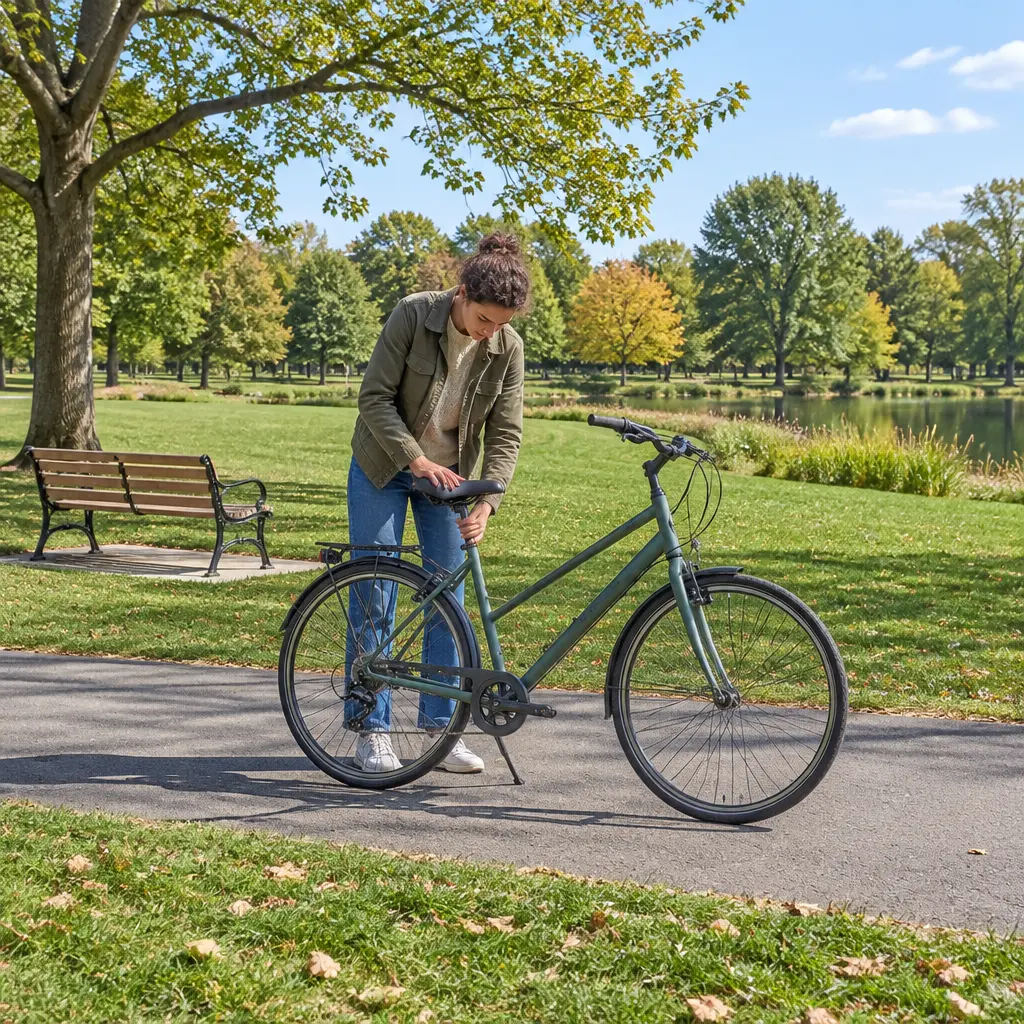
A commuter or hybrid bicycle is designed for paved streets, shared paths, and frequent stops. Its moderately upright posture can make traffic awareness and everyday comfort easier, while wider tires than a typical road-racing bike can add stability on rough pavement. For regular errands, look for mounts for a rear rack, fenders, lights, and a kickstand. The League of American Bicyclists recommends using a white front light and red rear light at night; local laws may specify additional visibility requirements.
If your commute includes crowded transit, stairs, or limited storage, a folding bike may be more practical than a full-size hybrid. A folding frame is intended to collapse for carrying and storage, though small wheels and compact geometry can feel different from a conventional bicycle. Test it on a representative route before choosing.
Road Riding and Fitness
A road bicycle is built for paved surfaces and efficient longer-distance riding. Many have drop handlebars, relatively narrow tires, and a forward-leaning position; endurance road models typically provide a less aggressive fit than racing models. If speed and group rides matter most, consider a performance road bike. If comfort and varied pavement matter more, compare endurance designs and wider tire clearance.
A fitness hybrid can be a more approachable option for exercise on roads and paths. Flat handlebars give a familiar steering position, while its tires and gearing usually suit a broader range of surfaces than a dedicated road-racing bicycle. Compare the riding position and gearing on a test ride rather than assuming that a particular label guarantees comfort.
Trails, Gravel, and Mixed Surfaces
A mountain bike is designed for off-road terrain, with wide, knobby tires, lower gearing, and often suspension to help manage uneven ground. A hardtail has front suspension but no rear suspension; a full-suspension bike has both. For smoother dirt paths and less technical trails, a hardtail may be simpler and less costly to maintain. Rough, steep, or rocky trails may justify the added control and complexity of full suspension.
A gravel bike bridges paved and unpaved riding. It commonly combines drop handlebars with more tire clearance and stable handling than a road-racing design. Choose one if your routes regularly alternate between pavement, compact dirt, and gravel. For technical singletrack, a mountain bike is generally better suited; for almost entirely smooth pavement, a road or fitness bike may be more efficient.
Carrying Loads, Touring, and Family Trips
A touring bicycle is built to carry luggage over long distances, often with a stable frame and mounting points for racks and bags. A cargo bike is designed to carry heavier or bulkier loads, including groceries or children, using a long rear rack, front box, or extended frame. These bikes can replace some car journeys, but their size, weight, storage needs, and turning behavior deserve a careful test ride with a realistic load.
An electric-assist bicycle adds a motor that helps while the rider pedals, subject to the bicycle’s design and local regulations. It can make hills, longer commutes, and carrying loads more manageable, but adds weight and requires battery charging. In the United States, electric-bike definitions and access rules vary by state and by trail or facility, so check local requirements before buying.
Choose Bicycle Fit and Features
A bicycle’s fit is the relationship between its frame dimensions and the rider’s body, flexibility, and preferred posture. REI’s bike-fit guidance emphasizes checking frame size, saddle position, and reach rather than relying on height alone. A suitable fit helps the rider control the bike and pedal comfortably; no single size chart can account for every frame shape or individual proportion.
Frame Size, Reach, and Riding Position
Frame size is a starting point, not a final fit. Manufacturers use different sizing systems, and two bicycles marked the same size can feel different. During a test ride, check that you can mount and dismount safely, reach the handlebars without straining, and steer with relaxed shoulders. On a road bike, a lower, longer position may suit speed-oriented riding; for daily trips, a more upright position may feel easier to sustain.
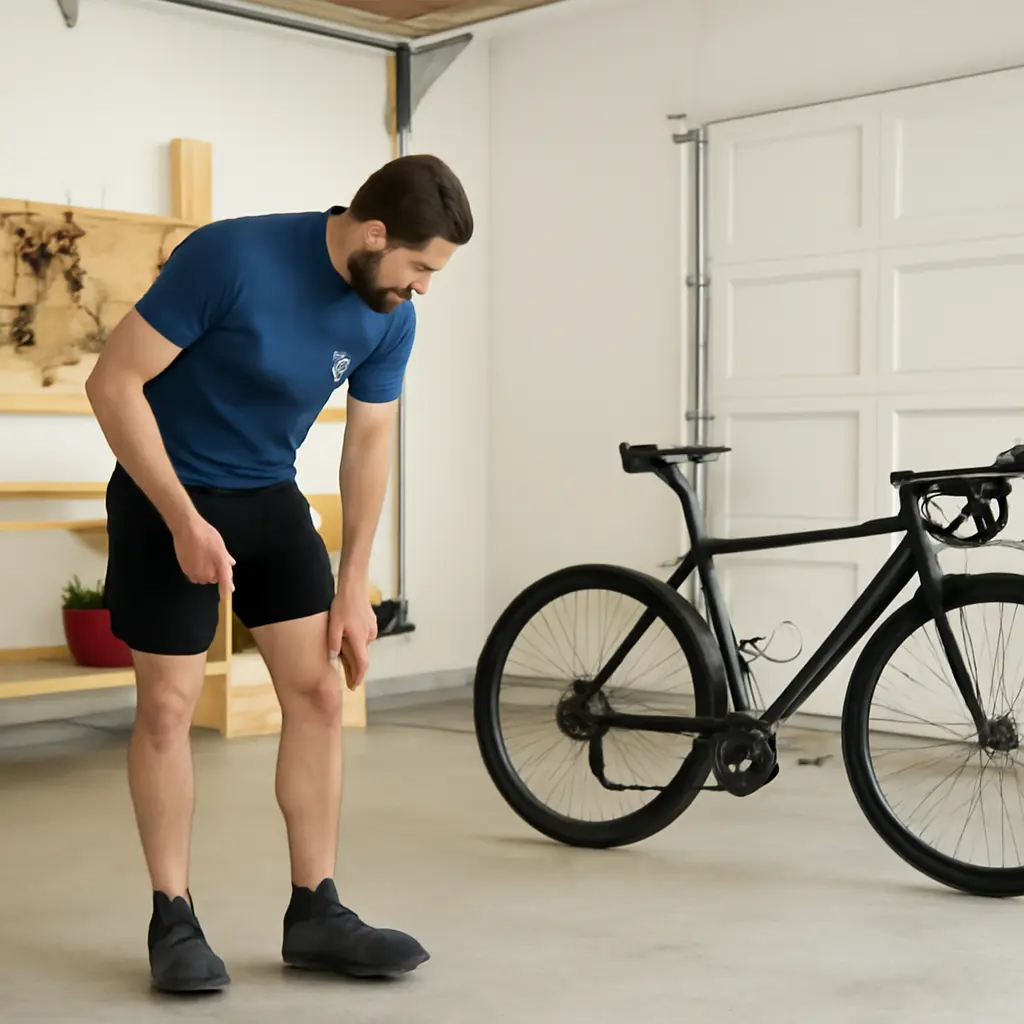
Ask a qualified shop to help adjust saddle height and handlebar reach. Knee discomfort, numb hands, or persistent lower-back strain can indicate a setup issue, though persistent pain should be discussed with a healthcare professional. A professional fitting can be especially useful for long-distance riding, competitive use, or riders with mobility constraints.
Gears, Brakes, Tires, and Suspension
Gearing determines how easily a rider can pedal across different gradients and speeds. Hilly routes and heavy loads generally benefit from easier low gears; flat commutes may need a simpler range. Disc brakes use pads gripping a rotor at the wheel, while rim brakes act on the wheel rim. Disc brakes are common on many current bikes and can provide consistent braking in wet conditions, but their performance also depends on setup, pad condition, and maintenance.
Tire width and tread should match the surface: smoother, narrower tires are often chosen for pavement efficiency, while wider or knobbier tires offer more grip on loose terrain. Suspension can improve comfort and control on rough trails, but it adds weight and maintenance and is unnecessary for many paved-road riders. Think about the surfaces you encounter most often, not the most extreme ride you might take once.
Accessories, Maintenance, and Total Cost
The purchase price is only part of a bicycle’s cost. Budget for a correctly sized helmet, a dependable lock, front and rear lights, a pump, a repair kit, and routine servicing. Commuters may also need fenders, a rack, and bags; trail riders may prioritize a repair kit and suitable protective gear. The U.S. Consumer Product Safety Commission advises cyclists to wear a properly fitted bicycle helmet and follow applicable safety guidance.
A simpler bicycle with standard components may be easier and less expensive to maintain than a highly specialized model. Before purchasing, ask about the warranty, service intervals, replacement-part availability, and the cost of common repairs. For an electric bike, include battery replacement and charging arrangements in the ownership calculation.
Use a Practical Buying Checklist
A short, structured comparison can prevent a mismatch between a bike’s marketing category and your actual routine. Consider the following before making a decision:
- Write down your usual trip types, distances, terrain, and whether you will carry cargo.
- Choose the bicycle category that best fits most of those trips, not an occasional exception.
- Confirm the frame size with the manufacturer’s guidance and an in-person test ride when possible.
- Test the brakes, gears, steering, and riding posture on a route similar to your regular one.
- Check for practical mounting points, tire clearance, and storage compatibility.
- Compare the full cost, including safety equipment, accessories, maintenance, and—if applicable—battery care.
- Ask a local shop or cycling organization about routes, rules, and suitable equipment in your area.
For example, a person riding three miles each way on paved streets and carrying a laptop may be better served by a hybrid or commuter bike with a rack, lights, and fenders than by a racing bicycle. Someone whose weekend routes include loose gravel and long climbs may prefer a gravel bike with appropriate gearing and tire clearance. These examples illustrate why route and purpose should guide the choice.
Conclusion: Choose the Bike You Will Ride
The right bicycle is the one that fits your body, terrain, routine, and budget. Match the bicycle type to your main use—commuting, road fitness, trails, mixed surfaces, carrying loads, or assisted riding—then evaluate fit, gearing, brakes, tires, accessories, and ongoing costs. A test ride and advice from a reputable local bike shop can help turn those criteria into a comfortable, safe choice. Start by listing your regular trips, then compare a few suitable models before buying.
Sources: U.S. Census Bureau, American Community Survey, 2023 commuting data, https://www.census.gov/programs-surveys/acs; Cycling UK, Types of Bikes, https://www.cyclinguk.org/article/guide/types-bikes; League of American Bicyclists, Bicycle Safety, https://bikeleague.org/ridesmart/; REI Co-op, Bike Fit: How to Fit a Bike, https://www.rei.com/learn/expert-advice/bike-fit.html; U.S. Consumer Product Safety Commission, Bicycle Safety, https://www.cpsc.gov/Safety-Education/Safety-Guides/Sports-Fitness-and-Recreation/Bicycles
Related Post
How Experience Level Affects Your Bike Choice
Choosing a bike means matching its design to your experience, goals, and riding conditions—not simply [...]
How to Read a Bike Spec Sheet Without Getting Lost
A bike spec sheet is the manufacturer’s summary of a bicycle’s parts, measurements, and intended [...]