Bicycle Type Selection Matching Frame Geometry To Intended Riding Terrain Reality
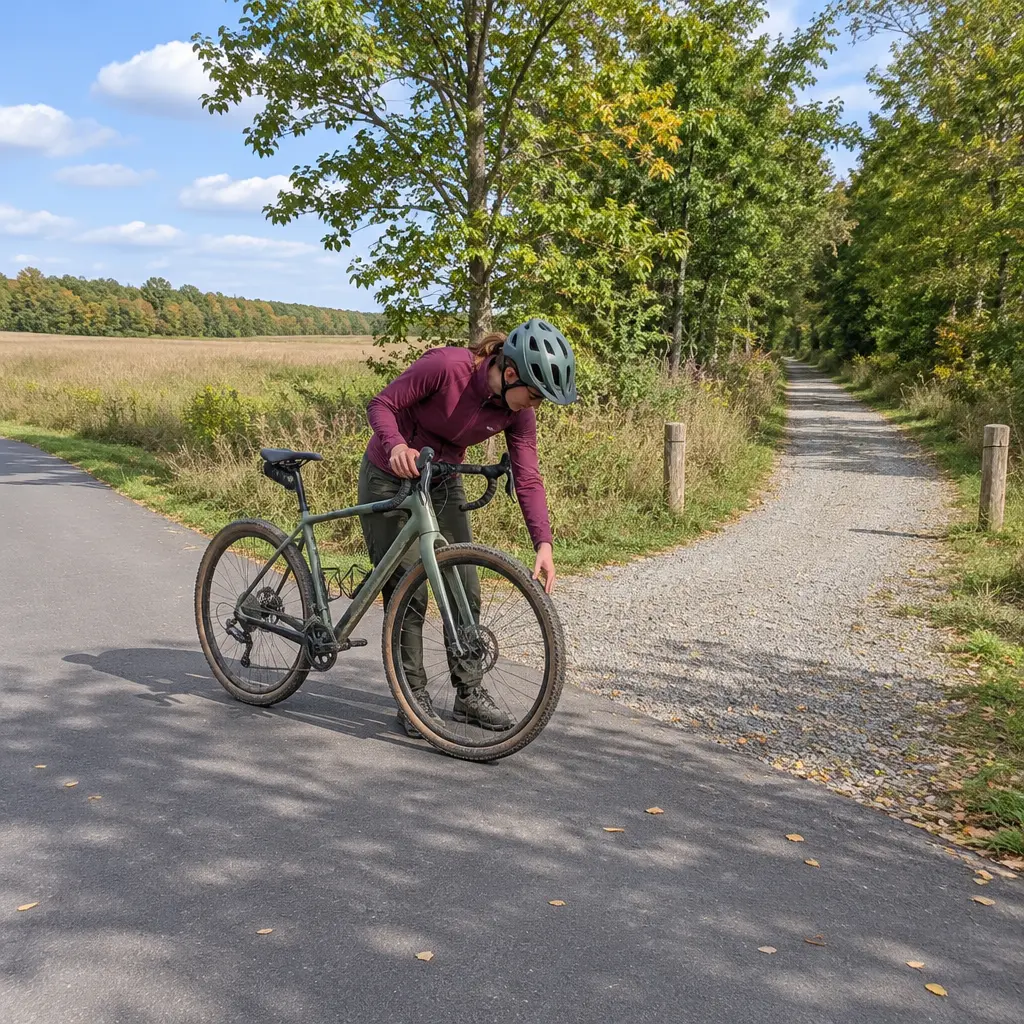
Bicycle type selection means matching a bike’s frame geometry and components to the surfaces, gradients, distances, and handling demands a rider actually encounters. Geometry—the dimensions and angles that position the wheels, steering axis, and rider—helps determine stability, responsiveness, comfort, and fit. In practice, a road bike generally favors efficient paved-surface riding, a mountain bike prioritizes control on rough trails, and a gravel bike bridges pavement and unpaved roads. These are tendencies, not guarantees: tire clearance, suspension, fit, and individual geometry matter as much as a category label. Matching the bike to real terrain can improve control and comfort while avoiding unnecessary weight, cost, or capability.
Frame geometry shapes bicycle type selection
Frame geometry is the set of frame and fork measurements that describes a bicycle’s proportions and steering layout. Cycling industry references commonly specify values such as frame reach and stack, head-tube angle, wheelbase, chainstay length, and bottom-bracket drop. No single measurement determines how a bike rides: the combined geometry, wheel and tire setup, rider position, and terrain all contribute.
The principal characteristics are fit and handling. Reach and stack help describe the position of the handlebars relative to the bottom bracket; head-tube angle and fork offset influence steering response and trail; wheelbase and weight distribution affect stability; and bottom-bracket height affects pedal clearance and the rider’s position over the wheels. As a broad pattern, longer, more upright designs often feel settled on rough ground, while shorter, lower designs can feel more immediate on smooth surfaces. Actual models vary, so compare geometry charts rather than relying on category names alone.
Useful category hyponyms—the more specific types within the broad bicycle category—include endurance road, race road, gravel, cyclocross, cross-country mountain, trail, enduro, downhill, hybrid, and touring bikes. These labels indicate intended use, but they do not establish a universal geometry standard. For example, two trail bikes may differ substantially in wheelbase, suspension travel, and steering character.
Fit measurements: reach, stack, and effective position
Reach is the horizontal distance from the bottom bracket to the top of the head tube, while stack is the corresponding vertical distance. Together they offer a more consistent way to compare frame size and front-end position than a size label alone. Effective top-tube length and stem length also affect how stretched or compact a rider feels, but cockpit adjustments cannot correct every mismatch in frame size.
A rider should compare the geometry of a familiar, well-fitting bicycle with candidate models and consider intended posture. A low, extended position may suit fast road riding, whereas a more upright position can support visibility and comfort during commuting or long-distance touring. These are starting points: flexibility, proportions, riding history, and professional fitting advice can change the appropriate choice.
Steering geometry: head angle, fork offset, and trail
Head-tube angle describes the steering axis relative to the ground, and fork offset describes how far the front axle sits ahead of that axis. Together with wheel radius, these measurements determine mechanical trail, a key contributor to how steering responds and how the front wheel tends to self-align. A slacker head angle often accompanies mountain-bike designs intended to remain composed on steep or rough descents; a steeper angle is common on bikes designed for quick responses on smoother ground. Neither angle alone predicts handling because tire size, fork offset, wheelbase, and rider position also matter.
Wheelbase, bottom bracket, and clearance
Wheelbase is the distance between the wheel axles. A longer wheelbase can contribute to stability, while a shorter one may make a bicycle easier to maneuver, although the overall design determines the result. Bottom-bracket height and drop describe the crank’s position relative to the axles; these affect cornering feel and the risk of pedal strikes. On rocky or rutted trails, clearance can be especially important, while on pavement a lower position may support a planted feel.
Geometry only matters in context. Once the frame’s fit and handling are understood, the next question is whether the bicycle’s tires, suspension, and equipment match the surfaces the rider will encounter.
Terrain determines which bicycle geometry is practical
Terrain is the riding surface and its physical demands: smooth pavement, broken roads, gravel, packed dirt, roots, rocks, steep grades, or a mixture. A practical selection starts with the most frequent and consequential conditions, not the most dramatic ride a cyclist might undertake once a year. The U.S. National Household Travel Survey documents substantial bicycle travel for everyday purposes, including commuting and errands, underscoring why route conditions and utility can matter as much as sport-specific performance.
Road bikes for pavement and speed
Road bikes are designed primarily for paved roads. Race-oriented models tend to emphasize an aerodynamic, low riding position and responsive handling; endurance road models commonly provide a taller front end and geometry intended to feel more comfortable over longer rides. Tire clearance varies by model, so a road bike may accommodate wider tires for rough pavement, but it should not be assumed to have the clearance or control features of a gravel or mountain bike.
For a rider whose routes are mostly smooth asphalt, road geometry and relatively light tires can make efficient, sustained riding practical. On badly broken roads or loose surfaces, narrow tires, a very low position, or limited clearance can be disadvantages. Check the manufacturer’s maximum tire size and recommended use before buying.
Gravel bikes for mixed and unpaved routes
Gravel bikes are built for a blend of paved roads and unpaved routes, commonly using greater tire clearance and a more stable layout than a race-focused road bike. Their geometry and equipment differ across models: some are oriented toward fast gravel events, while others prioritize comfort, carrying capacity, or rougher terrain. Wider tires can run at lower pressures than narrow road tires, helping increase comfort and grip when the surface allows it, provided pressure is suitable for the tire, rim, rider weight, and conditions.
A gravel bike can be a useful choice for riders who want one bicycle for pavement, hard-packed dirt, and maintained gravel roads. It is not automatically a substitute for a mountain bike on steep, technical trails: tire tread, suspension, braking, and frame geometry may not provide the same margin of control.
Mountain bikes for trails and technical terrain
Mountain bikes are designed for off-road control, with models ranging from efficient cross-country bikes to trail, enduro, and downhill designs. Cross-country geometry generally prioritizes climbing and pedaling efficiency; trail and enduro designs commonly place greater emphasis on descending stability and obstacle management; downhill bikes are specialized for steep descents and typically use substantial suspension travel. These distinctions are broad: suspension design, tire choice, and the specific geometry chart matter for each model.
The International Mountain Bicycling Association describes mountain biking as taking place on varied natural surfaces and emphasizes responsible trail use. On roots, rocks, loose soil, and steep descents, a mountain bike’s wider tires, braking system, and, where fitted, suspension can improve control. For smooth commutes, those features may add weight and rolling resistance without delivering much benefit.
Hybrid, city, and touring bicycles for utility
Hybrid and city bikes generally prioritize an accessible riding position and practical everyday use. They may have flat handlebars, mounts for racks and fenders, and tires suited to pavement or light paths. Touring bikes are designed to carry loads over longer distances; their geometry and frame construction should be assessed with the intended luggage and terrain in mind. A loaded touring bicycle handles differently from the same bike ridden without bags.
For commuting, fit and equipment can outweigh small differences in speed. The U.S. Census Bureau’s American Community Survey tracks bicycle commuting as a distinct journey-to-work mode, but commuting statistics do not tell an individual which geometry to buy. Riders should consider route surface, traffic visibility, carrying needs, weather protection, and secure parking alongside frame dimensions.
A terrain-based selection process reduces mismatches
A useful selection process turns vague preferences into requirements. Record the usual route surfaces, steepest gradients, typical ride duration, cargo needs, and the roughest conditions the bicycle must handle safely. Then compare candidate bikes by fit, geometry, tire clearance, braking, and suspension rather than by marketing category alone.
Map the actual route before choosing a category
Describe the route in proportions: for example, mostly paved commuting with occasional hard-packed paths, or mostly singletrack with rocky descents. Note recurring hazards such as potholes, loose gravel, wet roots, steep grades, and curb transitions. A bicycle should be suitable for the conditions that occur regularly; occasional trips onto a different surface may be handled by a versatile setup, but only within the bike’s intended limits.
Compare complete geometry charts, not size names
Manufacturers do not use identical sizing systems, and a “medium” from one brand may not fit like a “medium” from another. Compare reach, stack, head angle, wheelbase, and other published measurements for the correct frame size. Review geometry at the intended saddle and handlebar position, and seek an in-person test ride or qualified fit assessment when possible. A test ride can reveal comfort and handling preferences, but it cannot safely substitute for checking tire clearance or the manufacturer’s use guidance.
Match tires, brakes, and suspension to surface demands
Tires are the bicycle’s contact with the terrain. Width, tread, construction, and pressure affect grip, comfort, puncture protection, and rolling feel. Disc brakes are common across many current categories, but braking performance depends on components, setup, maintenance, and conditions—not the label on the frame. Suspension can improve control and comfort on rough trails, while adding weight, cost, and maintenance needs. Evaluate these components alongside geometry instead of treating frame style as the whole decision.
Consider real-world trade-offs and an example
Consider a rider who commutes on pavement during the week and rides maintained gravel roads on weekends. A gravel bike with suitable tire clearance, practical mounts, and a comfortable fit may be a more appropriate compromise than a race road bike or a full-suspension trail bike. If weekend routes instead include steep, rocky singletrack, a mountain bike may be the safer and more capable choice, even if it is slower on pavement. The example illustrates why the most common and technically demanding terrain should guide the decision.
A simple comparison chart can make the trade-offs visible: list each candidate against pavement efficiency, loose-surface grip, technical-trail control, carrying capacity, and maintenance needs. The chart should reflect the rider’s own route rather than a universal ranking.
Conclusion: choose geometry for the terrain you ride
Frame geometry affects fit, steering, stability, and clearance, but no single measurement or bicycle label determines suitability. Road bikes generally favor pavement, gravel bikes support mixed-surface riding, mountain bikes serve increasingly technical off-road terrain, and hybrid or touring designs address utility and carrying needs. Reach, stack, steering geometry, wheelbase, tires, brakes, and suspension should be considered together.
The broader lesson is to select for actual routes and realistic riding needs rather than for a category’s image or a rare edge case. Map your terrain, compare geometry charts, verify component and tire limits, and test ride appropriately sized options. For further guidance, consult manufacturer geometry documentation and seek advice from a reputable bicycle fitter or local bike shop.
Sources: Trek Bicycle, Bike Geometry Explained, https://www.trekbikes.com/us/en_US/road_buyers_guide/road_bike_geometry/; Sheldon Brown, Bicycle Frame Geometry, https://www.sheldonbrown.com/frame-sizing.html; U.S. Department of Transportation, Federal Highway Administration, National Household Travel Survey, https://nhts.ornl.gov/; International Mountain Bicycling Association, Rules of the Trail, https://www.imba.com/resource/rules-of-the-trail; U.S. Census Bureau, American Community Survey, https://www.census.gov/programs-surveys/acs/
Related Post

Moisture Management Changes Everything About Cycling Comfort
Cycling moisture management is the way clothing handles sweat and rain to help riders stay [...]
How Road Bike Geometry Actually Changes Your Performance
Road bike geometry is the set of frame dimensions and angles that determine how a [...]